01 HOW A DUEL FLOWS
How a Turn Actually Flows.
The six phases, in the order they happen, with the parts that trip everyone up.
- ▸What you may do in each phase
- ▸Why the first turn is different
- ▸When your opponent gets to answer
 How To: Gaming
THE HOW TO CO. — EDITION 10
How To: Gaming
THE HOW TO CO. — EDITION 10
● DOOR 01 · YU-GI-OH! — LEARN TO DUEL
Yu-Gi-Oh! is the fastest game in cards, and nobody explains the slow part. What a turn is actually made of, the one summon you only get once, and a first deck you built yourself.
▸ THE SHAPE OF A TURN
Every turn walks the same six steps in the same order, whoever is playing. Draw, a beat to settle, the first Main Phase, the Battle Phase, the second Main Phase, and out. Learn the shape once and you stop guessing when you're allowed to do things — which is most of what makes a new duelist freeze.
◆ TURN ONE IS NOT LIKE THE REST
Whoever goes first doesn't draw, and can't attack. Their whole turn is a setup turn — which is exactly why the player going first spends it building a board.
◆ MAIN PHASE 2 IS CONDITIONAL
You reach it by going to the Battle Phase and coming back out. Skip the fight and the turn goes straight from Main Phase 1 to the End Phase.
◆ YOU ARE NEVER FULLY IDLE
Even on someone else's turn, a Set Trap or Quick-Play Spell — and certain effects you activate from your hand — can answer. Phases tell you when you lead, not when you're allowed to act.
01 HOW A DUEL FLOWS
The six phases, in the order they happen, with the parts that trip everyone up.
02 YOUR FIRST DECK
Forty cards you chose, that do one thing well — and that you understand every line of.
03 READING A CARD
The frame colour, the two words under the name, and the numbers in the corner — in that order.
▸ THE ONE LIMIT NOBODY TELLS YOU
Once per turn you may Normal Summon a monster from your hand — or set it face down instead. That's the whole allowance, and it does not refresh. So when you watch someone put five monsters on the table before you've had a turn, only one of them was a Normal Summon. The rest arrived by Special Summon, and the rules put no limit on how many of those a turn can hold.
That single asymmetry is why modern Yu-Gi-Oh! looks the way it does. Every deck is really a machine for turning one Normal Summon into a board full of Special Summons — and every card that stops you does it by breaking the chain early. Which is the whole of door two.
◆ SETTING A MONSTER FACE DOWN USES THE SAME ONE ALLOWANCE.
NORMAL SUMMON
ONE PER TURN · FROM HANDOnce. Face up in attack, or face down in defence. Use it and it's gone until your next turn.
SPECIAL SUMMON
NO LIMIT AS OFTEN AS CARDS ALLOWNot a free action — a card has to say you may. But nothing in the rules limits how many times a turn one can happen.
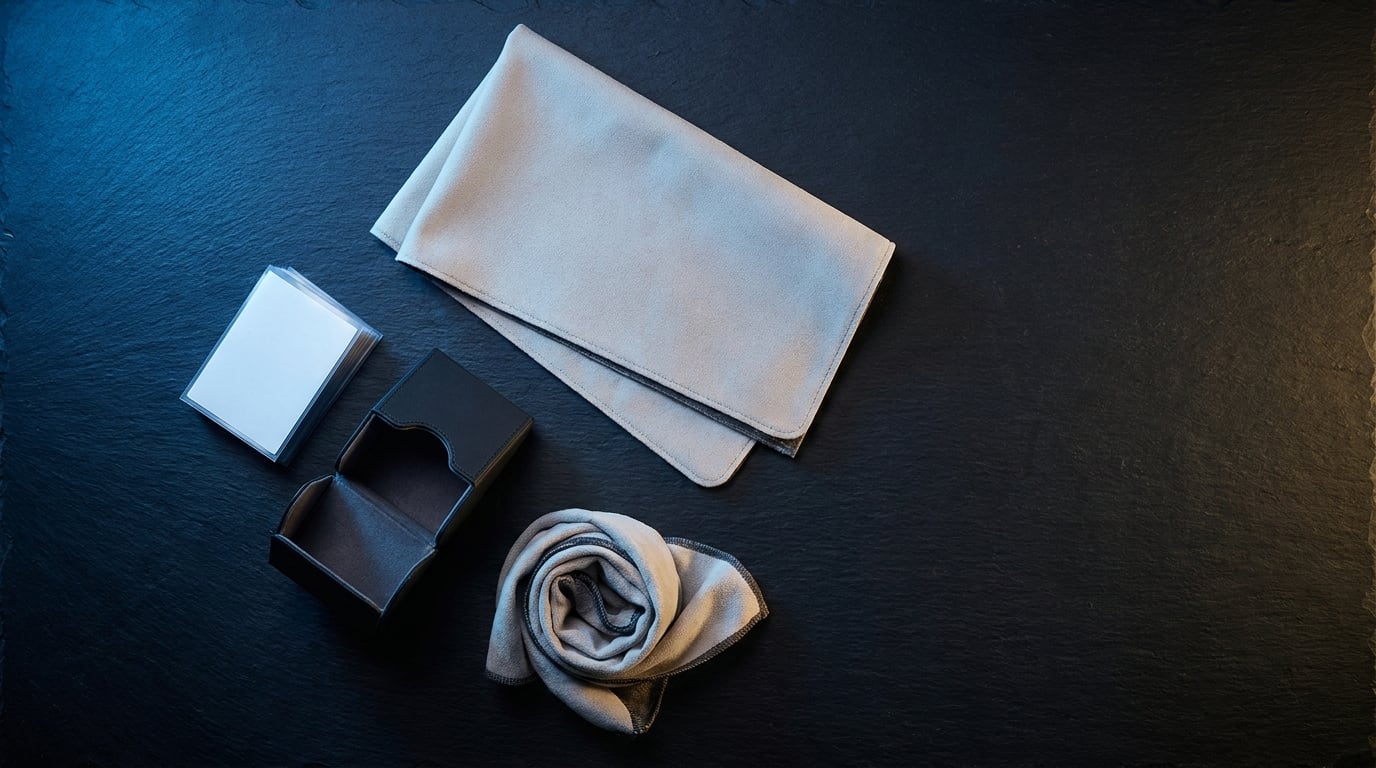 Store Cards So They Outlive You
Sleeves, humidity and the slow damage nobody sees happening. Do this on day one and you never think about it again.
READ THE ESSAY
Win Game Night Without Making Enemies
READ
Trade Up Without Burning Friends
READ
Store Cards So They Outlive You
Sleeves, humidity and the slow damage nobody sees happening. Do this on day one and you never think about it again.
READ THE ESSAY
Win Game Night Without Making Enemies
READ
Trade Up Without Burning Friends
READ
▸ WHY THESE THREENone of them teach you to duel. They teach you the habits that decide whether the cards you're about to buy are still worth anything in a year.
Written for a first duel, not a tournament table. Three guides, in the order you'll actually want them.
◆ READ THE CARD FIRST. EVERYTHING ELSE ON THIS PAGE ASSUMES YOU CAN.
ROUTE 01 · LEARN
Everything you need before your first duel.
◆How to Read a Yu-Gi-Oh! CardSOON ◆How to Build Your First Yu-Gi-Oh! DeckSOON ◆How to Play Your First Turn Without FreezingSOON