01 WHAT TO OPEN
Which Sets Are Worth Opening
Not every set is built to be opened. Some are printed to be bought singly, and the box is a worse deal than the card.
- ▸Core sets against reprint sets
- ▸What a set is actually for
- ▸When singles beat sealed
 How To: Gaming
THE HOW TO CO. — EDITION 10
How To: Gaming
THE HOW TO CO. — EDITION 10

● DOOR 03 · YU-GI-OH! — CHASE THE SECRET RARE
The rarest card in the box says exactly the same thing as the cheapest copy of it. Once you know that, the whole chase looks different — and a lot less frightening.
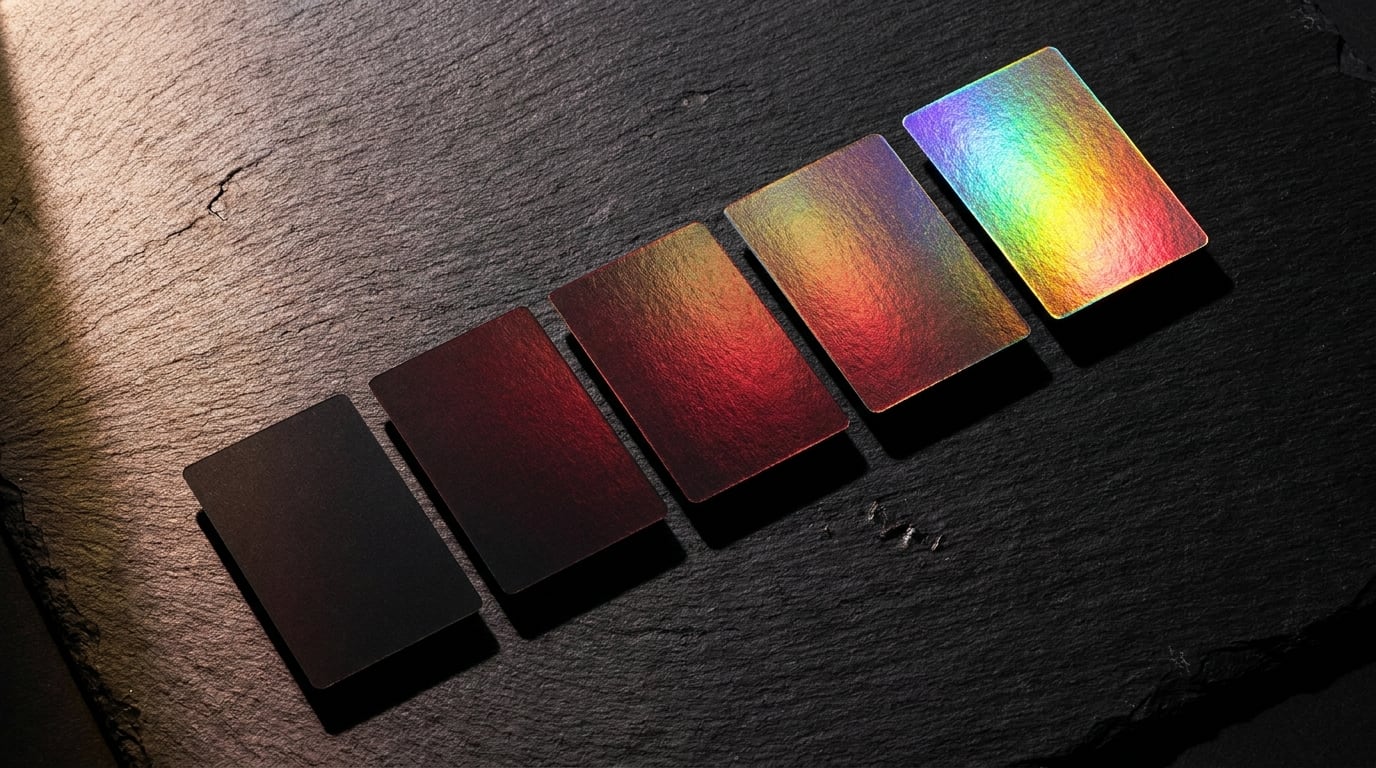
▸ FIVE FINISHES, AND EVERYTHING ABOVE THEM
This is the single most useful thing to know before you spend anything. The name, the numbers and every word of the effect are identical on every one of them. What changes is where the foil sits — and that is what people are paying for. A Common plays exactly as well as the Secret Rare of the same card, which means you can build the deck first and chase the finish later, in that order, forever. Five finishes are named below; above them sit rarer ones that change from set to set.
▸ SAME TEXT ON ALL SIX — THEY ALL PLAY IDENTICALLY
◆ THE LADDER IS NOT A PRICE LIST
More foil does not automatically mean more money. A Secret Rare of a card nobody plays is worth less than the Common of a card everybody needs. Demand sets the price; the finish only sets the ceiling.
◆ ABOVE SECRET, IT DEPENDS ON THE SET
Modern sets add finishes rarer than Secret, and which ones exist changes from release to release. Check what a specific set actually contains before you decide what you are chasing.
WHAT TO OPEN · WHAT YOU PULLED · WHAT IT COST
01 WHAT TO OPEN
Not every set is built to be opened. Some are printed to be bought singly, and the box is a worse deal than the card.
02 WHAT YOU PULLED
Tilt it under a lamp. Where the light moves tells you which finish you are holding, before you look anything up.

03 WHAT IT COSTS
The honest arithmetic nobody does before they start: what chasing one card out of a box actually costs against buying it.

▸ THE ONE THING THAT MOVES VALUE
When a card everybody needs gets printed again in a new set, the old copies do not become worse cards — they become less scarce ones. Nothing about the cardboard in your binder changed. The number of people who need to buy yours did.
This is why the same card can be expensive for two years and ordinary in a month, and why "is it getting reprinted" is the only question that reliably matters before a big purchase.
◆ A REPRINT IS A DIFFERENT PRINTING, NOT A DIFFERENT CARD. THE SET CODE ON THE FACE IS WHAT TELLS THE TWO APART — AND COLLECTORS OFTEN PAY FOR THE FIRST ONE SPECIFICALLY. THE ONE REAL EXCEPTION: KONAMI SOMETIMES ISSUES ERRATA ON A REPRINT, WHICH DOES CHANGE THE PRINTED TEXT.
 Read a Population Report Without Lying to Yourself
How many of these exist in this grade, really — and the three ways people misread that number in their own favour.
READ THE ESSAY
Pull Your Grail Without Going Broke
READ
Know What Your Binder Is Actually Worth
READ
Read a Population Report Without Lying to Yourself
How many of these exist in this grade, really — and the three ways people misread that number in their own favour.
READ THE ESSAY
Pull Your Grail Without Going Broke
READ
Know What Your Binder Is Actually Worth
READ
▸ WHY THESE THREEEvery one of them is about the same habit: finding out what a card is really worth before the moment you have to decide.
Written for the card in your hand right now, not the one you wish you'd pulled.
◆ LEARN TO READ THE FINISH BEFORE YOU LEARN TO PRICE IT.
ROUTE 03 · CHASE
Knowing what you pulled, and what it is.
◆How to Read Yu-Gi-Oh! Card RaritiesSOON ◆How to Tell a Reprint From an OriginalSOON ◆How to Decide Between a Box and the SingleSOON