 HOWTO: GAMING
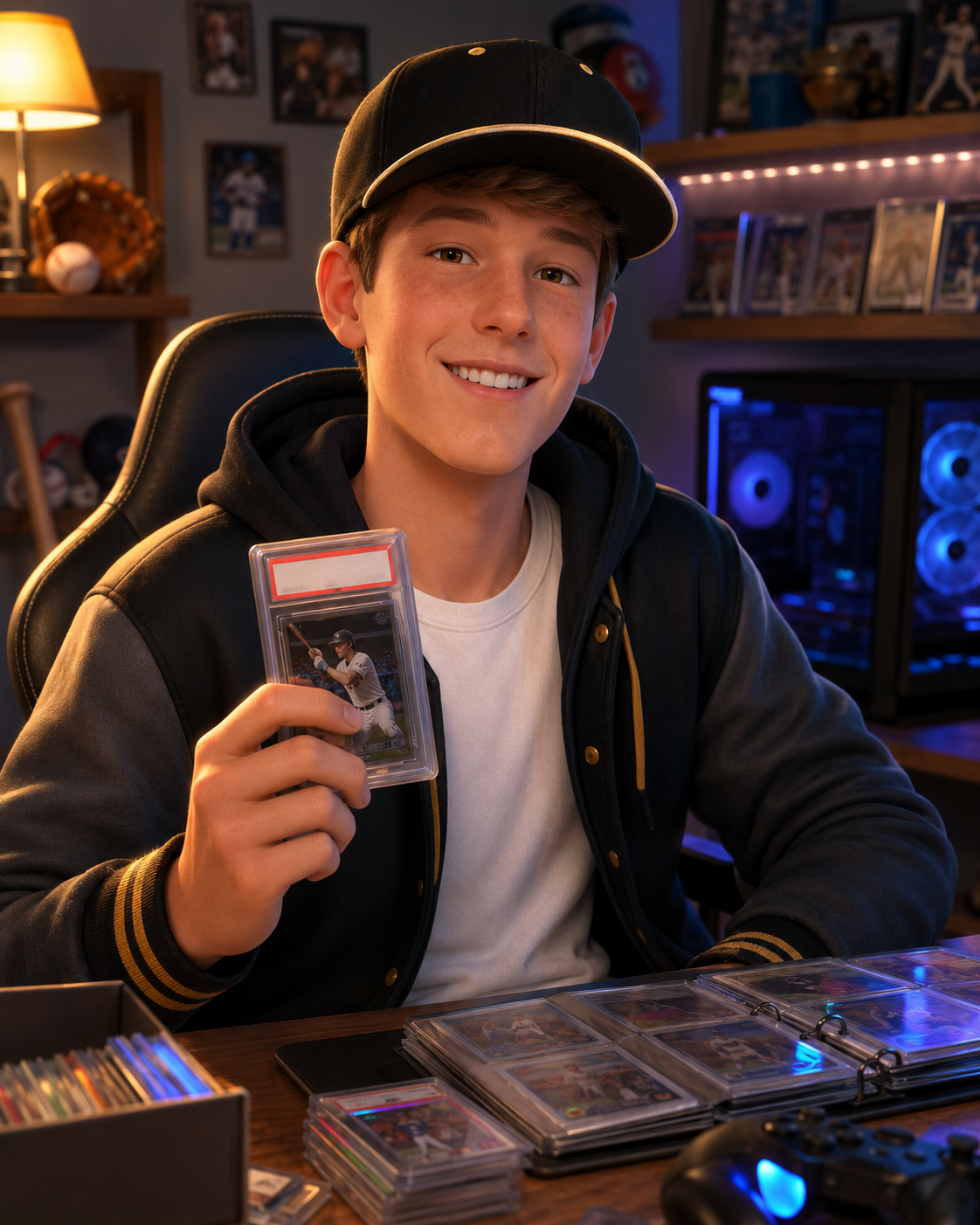

Trading up — turning a stack of good cards into one great card — is how serious binders get built. But the hobby is small, your local scene is smaller, and your reputation compounds faster than any card's value. Here's how I trade now.
THE RULES, IN ORDER
- 01 Price everything first
- 02 Pull comps in the open
- 03 Grade condition out loud
- 04 Pay the friendship tax
- 05 Never trade against ignorance
- 06 The overnight rule
- 07 Paper the big ones
Know the numbers
BEFORE + AT THE TABLEPrice everything before you sit down
Fair trades start with homework, not haggling. Before any trade night, I comp my own trade stack: recent sold prices, not listed prices, written on a sticky note per card or logged in my phone. Listed prices are wishes; sold comps are facts. A Yu-Gi-Oh secret rare "worth $60" that hasn't sold above $38 in three months is a $38 card wearing a costume.
When you know your numbers cold, you never have to shark and you never get sharked. Preparation is what fairness looks like in practice.
Pull comps together, in the open
At the table, the single best habit in all of trading: look prices up together, phones out, both screens visible. Sold listings, sorted newest first, same condition, same printing, same language. Ten seconds per card. This one habit deletes 90% of trade disputes before they exist, because nobody's negotiating against a hidden number.
If someone resists open comps — "trust me, this is a $100 card" — that's not a red flag, it's the whole parade. Comp it anyway or don't trade.
Grade condition out loud, both directions
Condition is where friendly trades quietly go wrong, because nobody wants to insult someone's card to their face. Do it anyway, kindly and mutually. Tilt each card under light, check corners, check edges, say what you see: "mine's got a soft corner here, call it lightly played" costs you a few dollars of trade value and buys you something worth far more. A near mint Lorcana enchanted and a moderately played one can be 40% apart in price. Pretending both are mint isn't politeness, it's a deferred argument.
Bring a loupe. Offer it across the table. The gesture alone raises the honesty level of the entire trade.
Trade like a human
A FRIEND IS NOT A MARGINPay the friendship tax gladly
When I trade with friends, I round in their favor. Every time, on purpose, visibly. If the stacks come out $110 versus $104, I don't hunt for a $6 throw-in from their side — I call it even and say so. Call it the friendship tax: a few percent per trade, paid willingly, and it buys you first look at every collection your friends ever decide to move.
The card-show version of this is different — with strangers, exact math and firm handshakes. But a friend is not a margin opportunity. The lifetime value of a trading partner who trusts you beats any single deal you will ever win.
Never trade up against ignorance
Here's the line that separates traders from predators: the deal has to survive both people knowing everything. Trading your bulk stack to a returning player who doesn't know their old collection spiked isn't a win, it's theft with extra steps. When someone slides a card across the table priced way under market, tell them. "This one's worth a lot more than you think" has cost me a few great deals and earned me a reputation that fills my trade binder for free.
Kids and newcomers get the strictest version: comps shown, values explained, and if the trade is lopsided in my favor, I fix it before we shake. Respect the hobby means respecting the people who just joined it.
CASE FILE · THE WHOLE PARADE
If someone resists open comps — "trust me, this is a $100 card" — that's not a red flag, it's the whole parade. Comp it anyway or don't trade.
SPEC · MEMORY INSURANCE, VERBATIM
"Confirming our trade: my X and Y for your Z, both sides near mint, shipping by Friday."
The big trades
THREE FIGURES = SLOW DOWNUse the overnight rule on big trades
Any trade where either side's stack tops a few hundred dollars gets 24 hours to breathe. Photograph both stacks, agree on the numbers, sleep on it, confirm tomorrow. Trade-night adrenaline is real — I've watched people trade away cards their week-later selves would have paid double to keep. The overnight rule has killed maybe one in five of my big trades, and every single kill was a trade someone would have regretted. The good deals survive a night's sleep. Only the bad ones need to close right now.
Paper the big ones
For serious trades — multi-card, three figures and up, or anything shipped — write it down. A text message works: "Confirming our trade: my X and Y for your Z, both sides near mint, shipping by Friday." Both thumbs-up. That's not distrust, it's memory insurance; six months later nobody argues about what was promised because it's in writing. For shipped trades, both sides send tracking the same day, packaged like the cards are already the other person's — because they are.
+ THE KIT
The trade-night bench
Thirty seconds of prep per card. A lifetime of trading partners.
SOME LINKS EARN IAN A COMMISSION. IT FUNDS THE TRADE BINDER.
Quick answers
What if I find out a trade was unfair after the fact?
If you got the better end by accident, offer to even it up — a throw-in next trade night fixes it and upgrades your reputation permanently. If you got the worse end, chalk small gaps to variance and speak up only on big ones. A partner who makes it right is a keeper; one who shrugs is telling you how future trades go.
Should I trade raw cards for slabs?
Yes, with correct math: comp the slab at its actual graded sale price and the raw card at raw price, never "what it would grade." An unslabbed card is worth raw comps until a grader says otherwise. If someone insists their raw card is "basically a 10," suggest they grade it first — the $19 to $25 fee is cheap certainty.
How do I say no without souring things?
"Not for that card, but I'm always open on the rest of the binder" ends the negotiation and keeps the door open. You never owe anyone a trade. The regulars respect a clean no far more than a resentful yes, and the trade you decline politely tonight often comes back sweeter next month.
Win the trade and lose the trader, and you've lost — the binder grows fastest when your handshake is worth more than your chase card.
— IAN + CASE 06 CLOSED

▸ PULL RATE · THE COMPANION BOARD
Know both cards’ real numbers before you shake on it — check the daily board.