 How To: Gaming
THE HOW TO CO. — EDITION 10
How To: Gaming
THE HOW TO CO. — EDITION 10
How To: Gaming
THE HOW TO CO. — EDITION 10
How To: Gaming
THE HOW TO CO. — EDITION 10
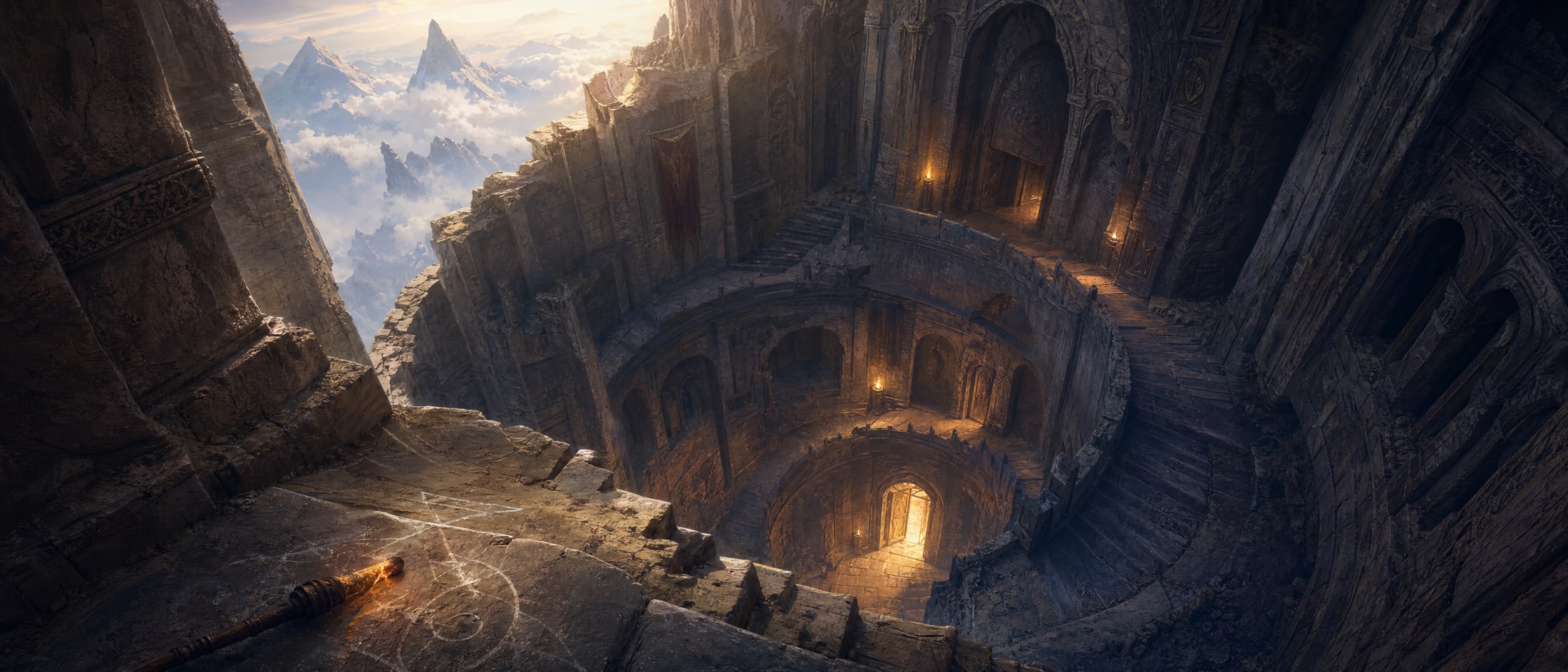
Stuck is temporary. Everything below this landing is behind a shutter, and every shutter is yours to leave shut.
Most help is written by someone who has already finished. That is why it keeps telling you things you did not ask about.
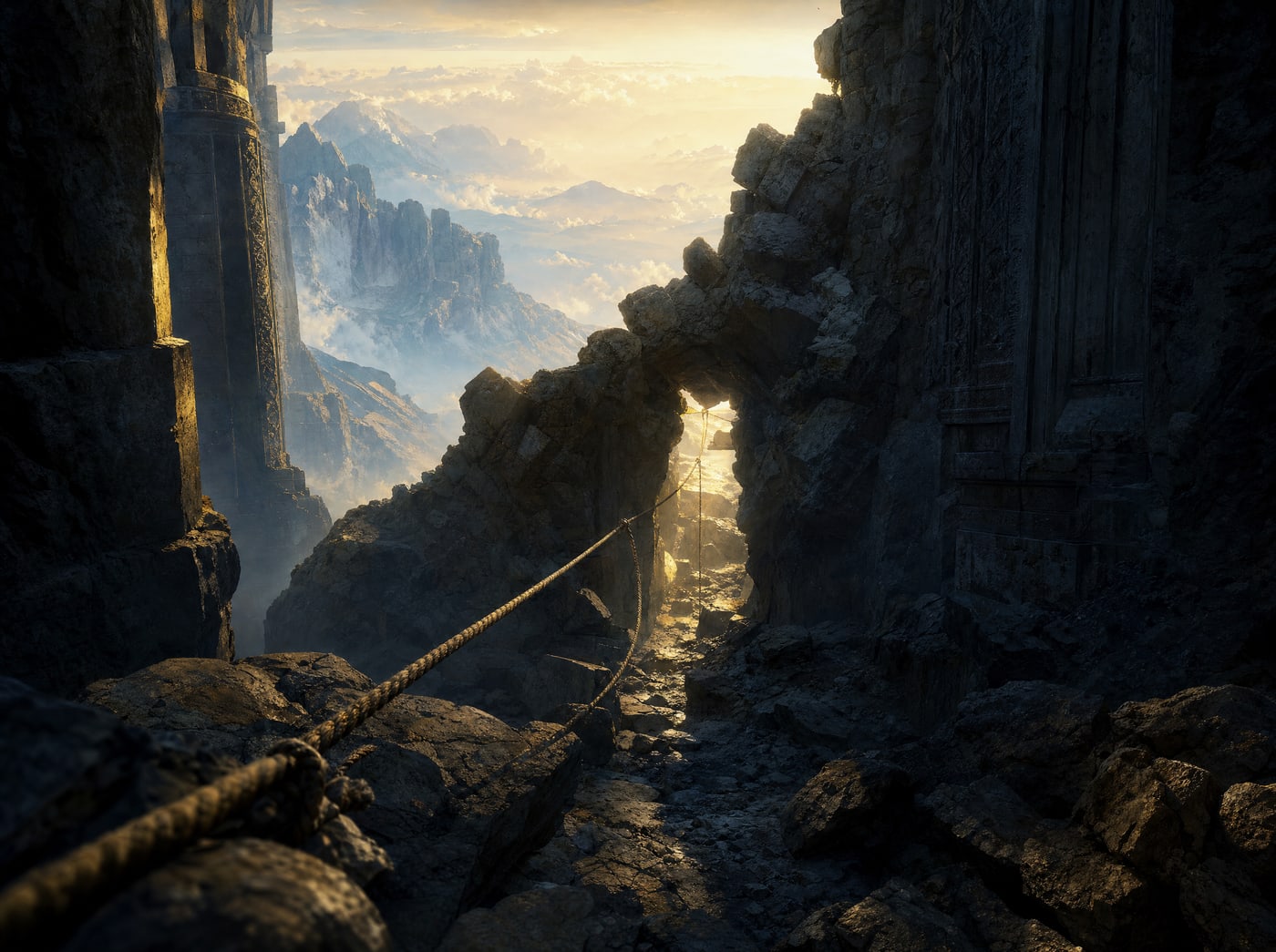
A boss you cannot beat is almost never a reflex problem. It is a reading problem — you have not yet learned which of its moves is a question and which is a punishment. Slow the fight down before you speed your hands up.
ENTER →Not your build — your camera. Most repeat deaths come from losing the boss’s centre of mass, not from missing damage. Spend one whole attempt doing nothing but watching, and name each attack out loud as it starts. You will find the one whose opening you have never actually seen, and that is the one killing you.
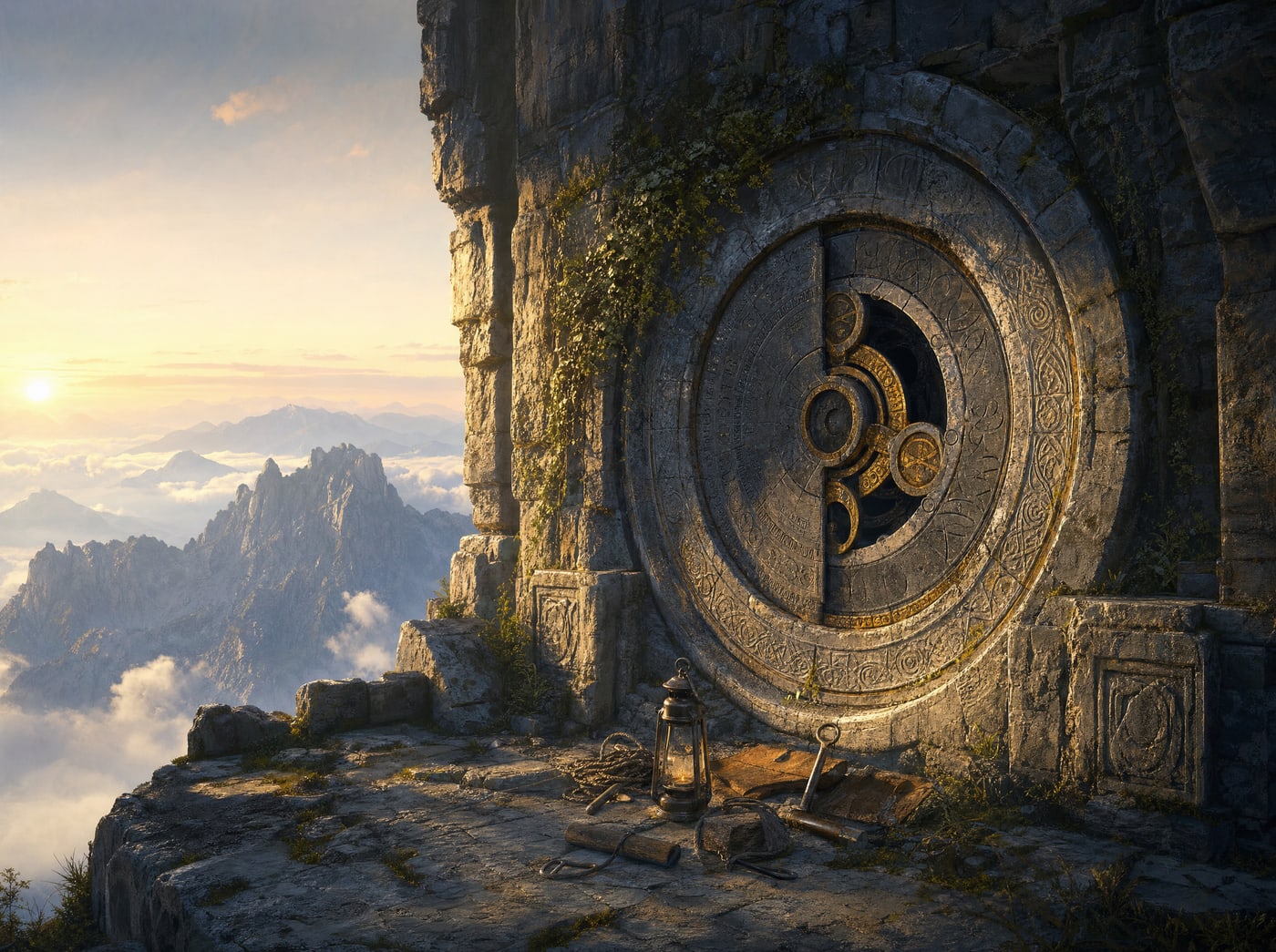
Puzzle rooms are built to be solvable from inside themselves. Everything you need is in there with you, and the piece you are missing is nearly always something you looked at once and quietly filed as scenery.
ENTER →Until you run out of new ideas — not until you run out of patience. Those are two different clocks and people confuse them constantly. Try saying out loud what the puzzle is actually asking for. If you cannot, you are not stuck, you simply have not started. If you can, and you have tried every answer you can name, then looking it up costs you nothing you were going to earn.
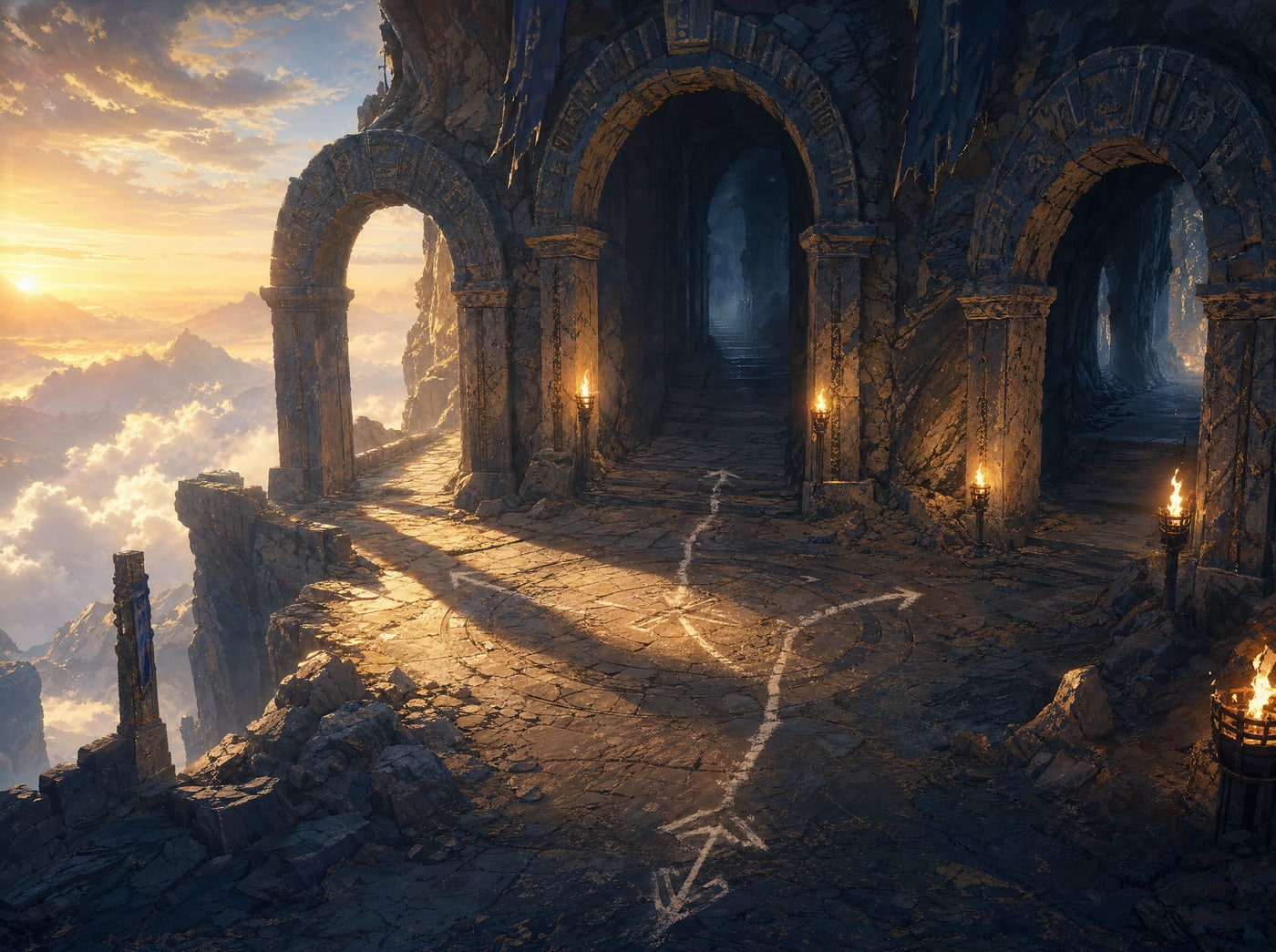
A quest log is a filing system, not a debt. Most of the misery in a long game comes from treating every optional thread as something owed. Chalk the ones you are actually walking and let the rest sit in the dark.
ENTER →Anything the game has not put a face on. Fetch chains, collection boards and map clears do not expire. Escort and companion threads usually do, and they do it quietly — you find out three hours later when someone is no longer standing where they were. If a quest names a person and asks you to go with them, go now. If it names a number, it will wait.
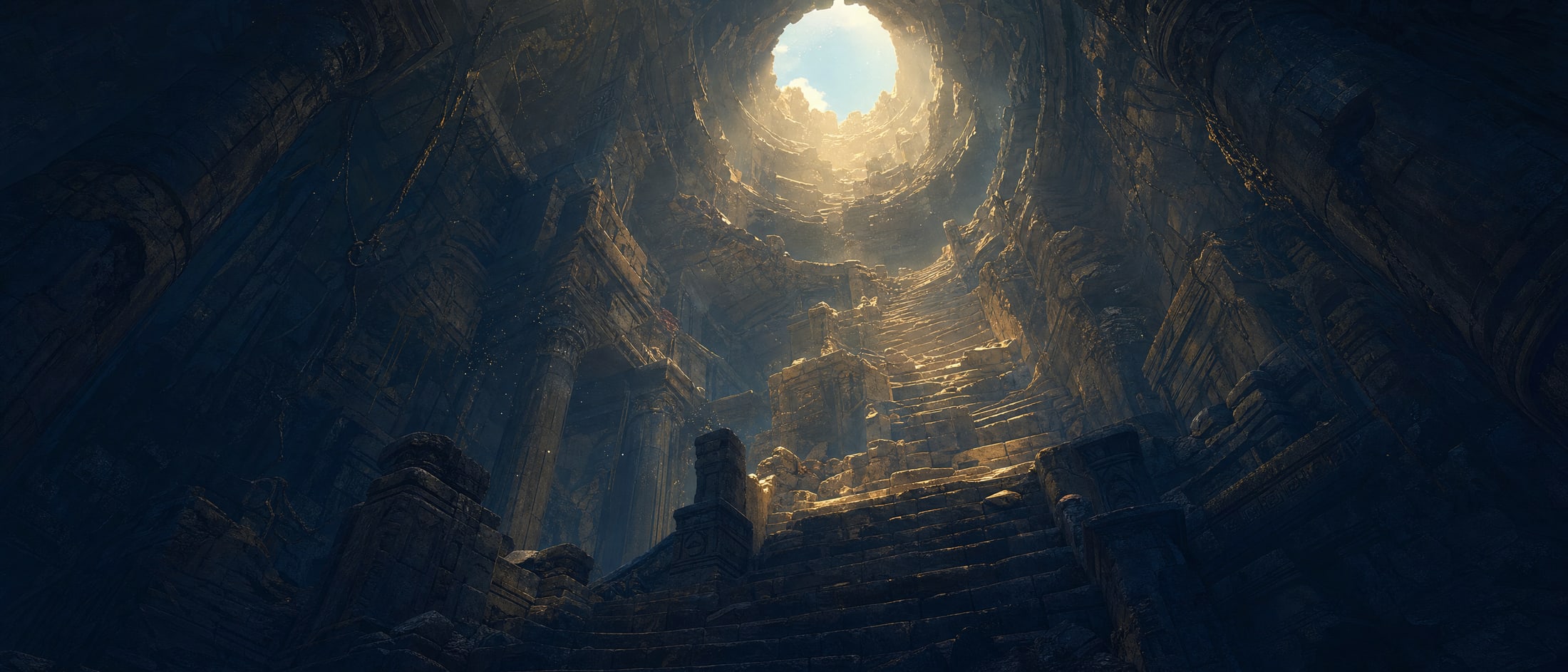
Look up. The light you came in by is still there and it is smaller than you expected. That is progress, not a problem.
A search engine answers more than you asked. A forum thread titled with your problem is usually safe. A video titled with your problem shows you the room after the problem in the first four seconds of its thumbnail, before you have pressed anything. The only reliable defence is to make your question smaller than the thing you are stuck on.
Search the mechanic, never the moment. “Ice wall breakable” finds you an answer. “How do I get past the ice wall in chapter nine” finds you chapter ten. Then close the tab at the timestamp you came for — the recommended panel beside a video is a spoiler delivery system with no off switch, and it is very good at its job.
Levels leave evidence. A room holding more supplies than the last three combined is a warning. A save point you did not ask for is a door closing behind you. Before you walk into anything, read what the level put in your path — a designer is talking to you, and most players stride straight through the middle of the sentence.
That the next fight is longer than the ones before it, not necessarily harder. Long fights punish resource discipline rather than reflexes. So top up — but also decide, standing in that room, which consumable you are allowed to spend and which one you are saving. The loss you will actually feel is reaching the end of a third phase with a full bag of things you were too precious to use.
The door at the bottom was open the whole time.
Nobody had to tell you what was behind it.

“A walkthrough should hand you the next step and then get out of the room. If you finish reading one and you know how the story ends, it was not a walkthrough — it was a summary.”