 How To: Gaming
THE HOW TO CO. — EDITION 10
How To: Gaming
THE HOW TO CO. — EDITION 10
How To: Gaming
THE HOW TO CO. — EDITION 10
How To: Gaming
THE HOW TO CO. — EDITION 10
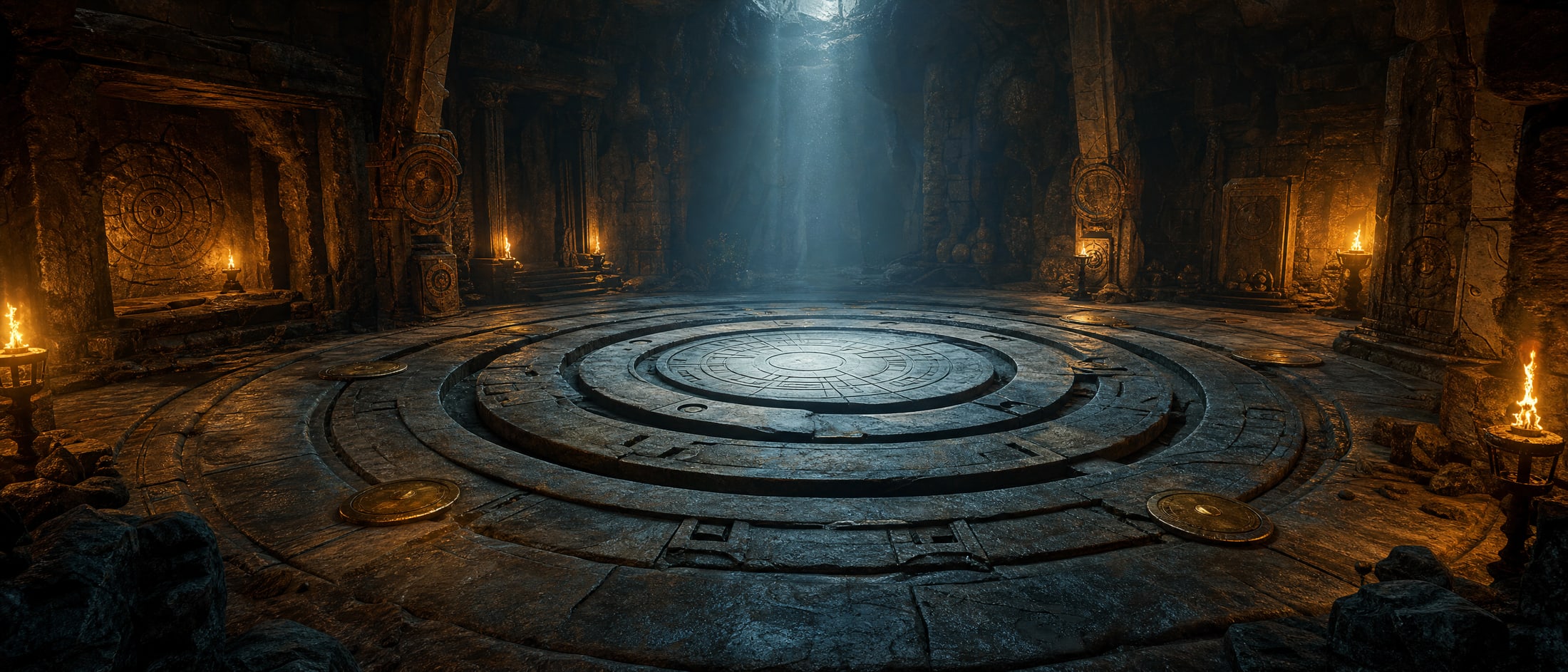
A puzzle room is a machine built to be solved from inside itself. Every answer down here opens in three rings, and you take only the ring you came for.
A boss you spoil, you can still go and fight. A puzzle you spoil is finished — nobody has ever un-solved a room.
You are not stuck, you are early. The room is a locked door wearing a puzzle’s clothes, and what opens it is an ability, an object or a piece of knowledge the game has not handed you yet. Nothing you do in here will work, and every minute you spend teaches you nothing.
Everything is here. You have looked straight at the piece more than once and filed it as architecture, because it did not glow, nothing you tried made it move, and you had already decided what counted as furniture before you started.
From inside the room the two feel identical, which is the whole difficulty. Answer this before you open a single shutter below — the classes only help if the answer is already in there with you.
two things that almost match
something is still holding
it stops at the same point every time
THREE ROOMS, NOT THREE STEPS ◆ YOU CAN BE STANDING IN ANY ONE OF THEM
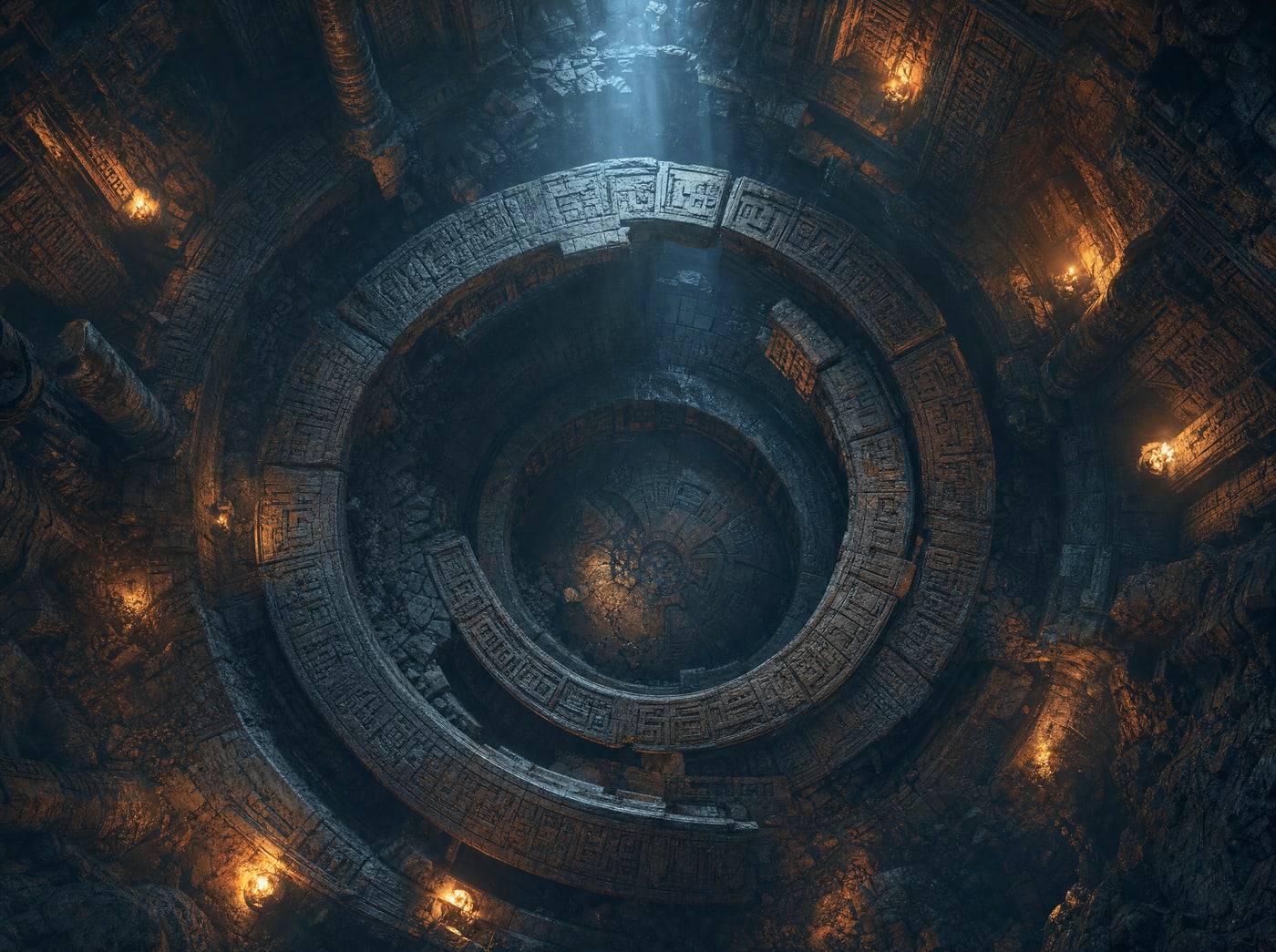
The commonest room there is. You have every piece, you can move every piece, and the arrangement you keep arriving back at is the one you started from. An alignment room is not asking you to find anything. It is asking you to stop turning things at random and start counting what moves when you touch one of them.
Which element you have never moved on its own. Nearly every alignment room contains one piece that only ever travels with something else, and the reason you keep landing back on the start position is that you have been moving pairs while believing you were moving singles. Touch one thing. Watch the whole room, not the thing you touched.
It is a coupled system with one free element. Two of the parts are geared to each other — turn one and the other follows — and exactly one part can be moved alone. That means your real progress is not the number of turns you have made. A random sequence in a coupled system will cycle through the same small set of states forever and never once land on the answer, which is precisely what it has been doing to you.
Solve the coupled pair to each other first and ignore the target completely — get the two that move together into their correct relationship, wherever in the room that happens to leave them. Then use the free element to rotate the finished relationship into place as one object. Coupled first, free last. That is the move in every alignment room you will ever stand in, and it turns an hour of guessing into about four deliberate turns.
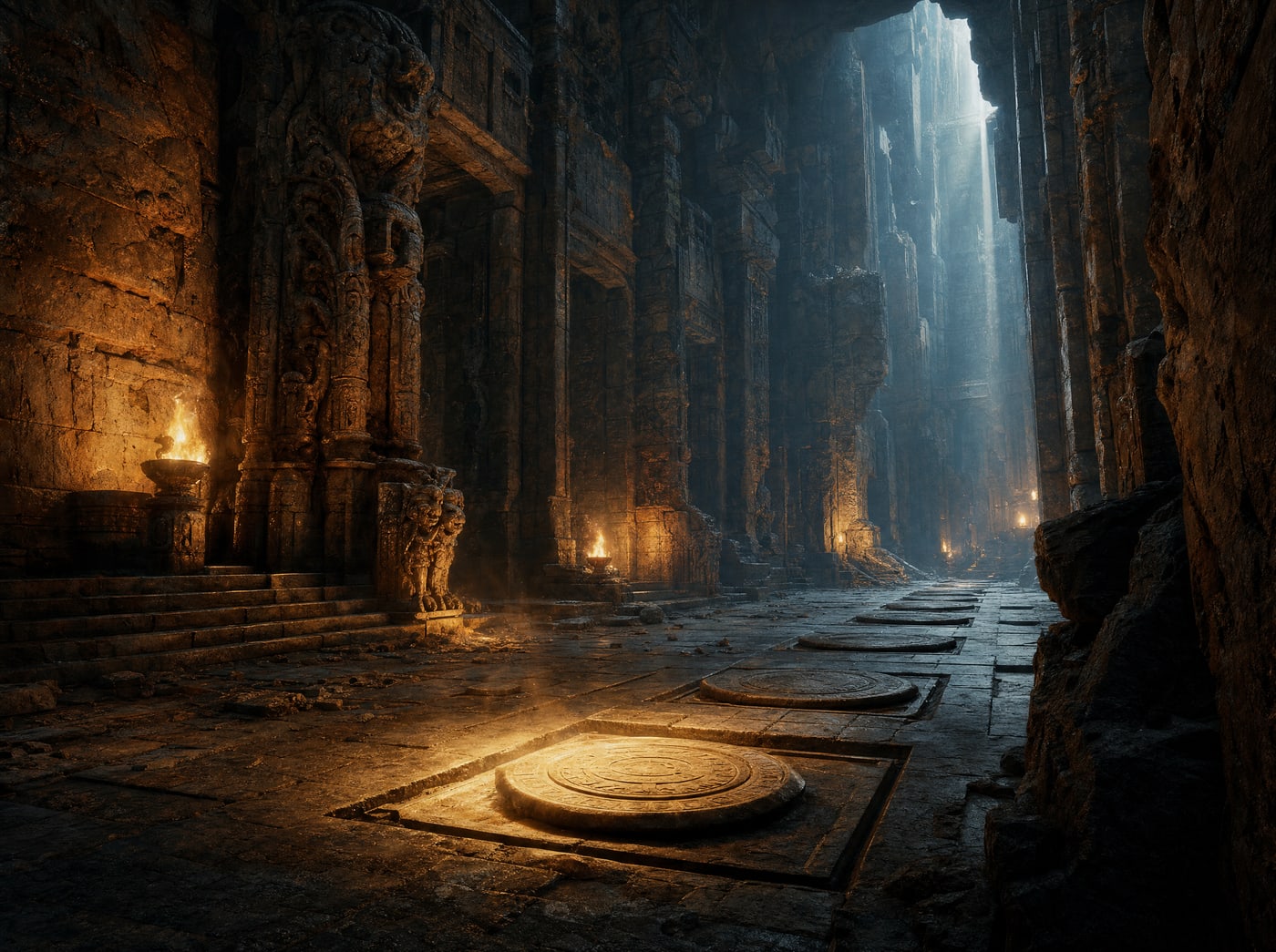
A state room keeps score. Something you stood on four minutes ago is still down, and every attempt you have made since was made from a starting position you did not choose and cannot see. These rooms are why “I have tried everything” is almost never true. You tried everything from one arbitrary state.
Find the thing that did not spring back. A plate still sunk, a lever still thrown, a door you opened twenty minutes ago and never closed. State rooms almost always show you their memory — the held element sits differently from the ones at rest, and it has been sitting that way in plain sight for your entire attempt.
Because you are not solving the puzzle, you are solving the puzzle plus one. If the room wants a sequence, a held element offsets every sequence you enter — which means you can enter the correct answer and be told, flatly, that you are wrong. That is the specific cruelty of a state room. It is also why players abandon the right idea and never come back to it, because the room taught them the right idea was wrong.
Return to a known state before you try anything else — walk the rim and clear every element you can reach, and if the room will not let you clear it, leave and re-enter. Then make one change and read the whole room before making another. One change, one read, written down. A state room is beaten by somebody taking notes, never by somebody trying harder.
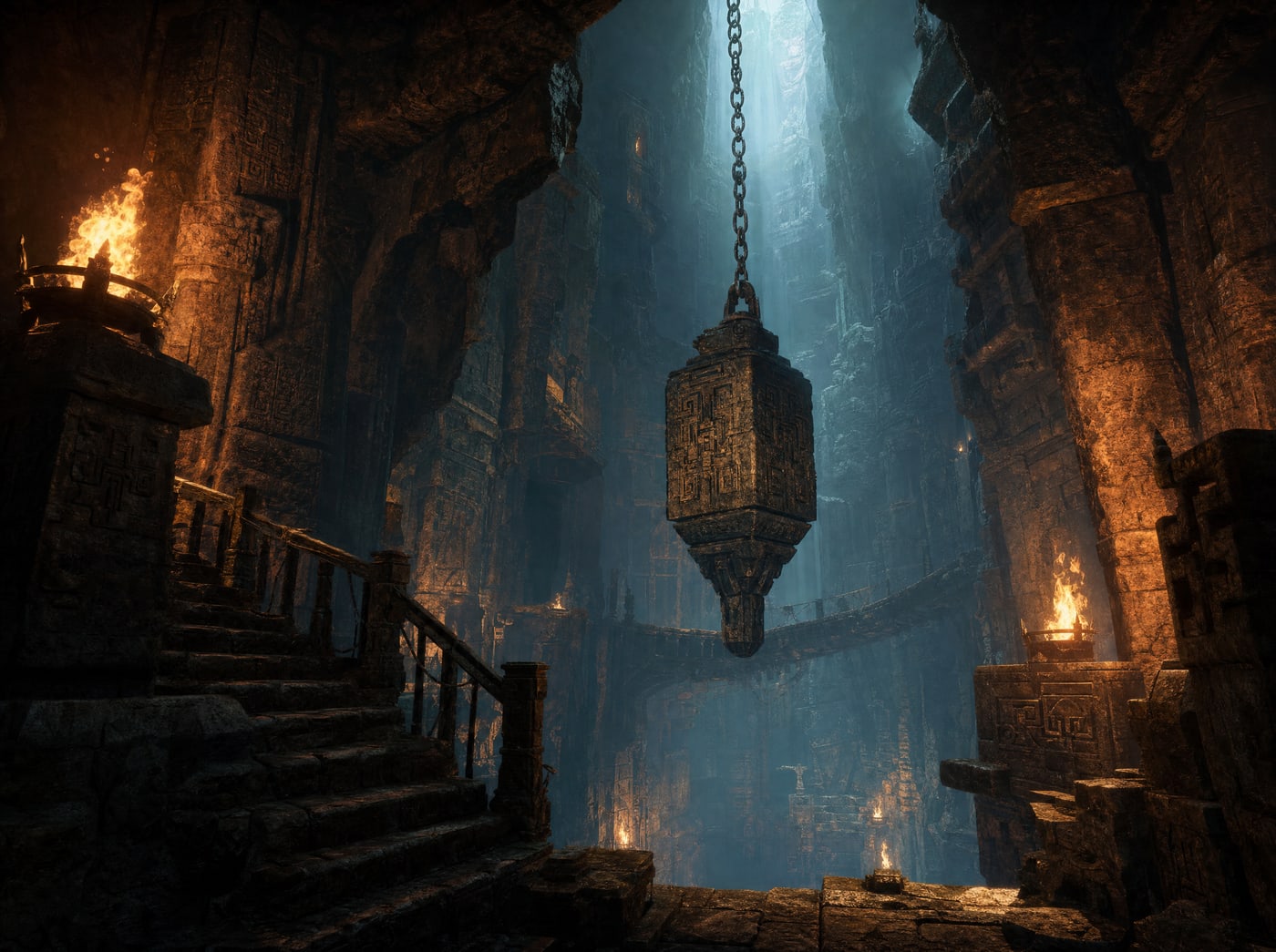
Some rooms are not puzzles yet. The mechanism runs, gets part of the way and halts at exactly the same point on every attempt, because the thing that finishes it is not in your hands. This is a door with a puzzle painted on it. No amount of cleverness has ever opened a door.
That the room is finished and you are not. A puzzle you are solving badly fails in a different place each time; a puzzle you cannot yet solve fails in the same place every time. So stop studying the mechanism and go and study the stopping point — its shape is the shape of the thing you are missing.
Nearly always a verb rather than an object. Games gate rooms behind something new you can do — reach further, hold longer, breathe underwater, break a material that has been shrugging you off since the first hour. So do not hunt for a key. Ask what action the stop is demanding, then ask whether you have ever performed that action anywhere in this game. If you never have, you are not stuck. You are early.
Mark it and walk out. Write down the room and the exact point it stops — that note is worth more than the hour you were about to spend in there — and go and do the thing the game has actually been pointing you at. You will come back holding the verb and the room will take under a minute. Leaving a locked door is not giving up on the puzzle. On this class of room it is the solution.
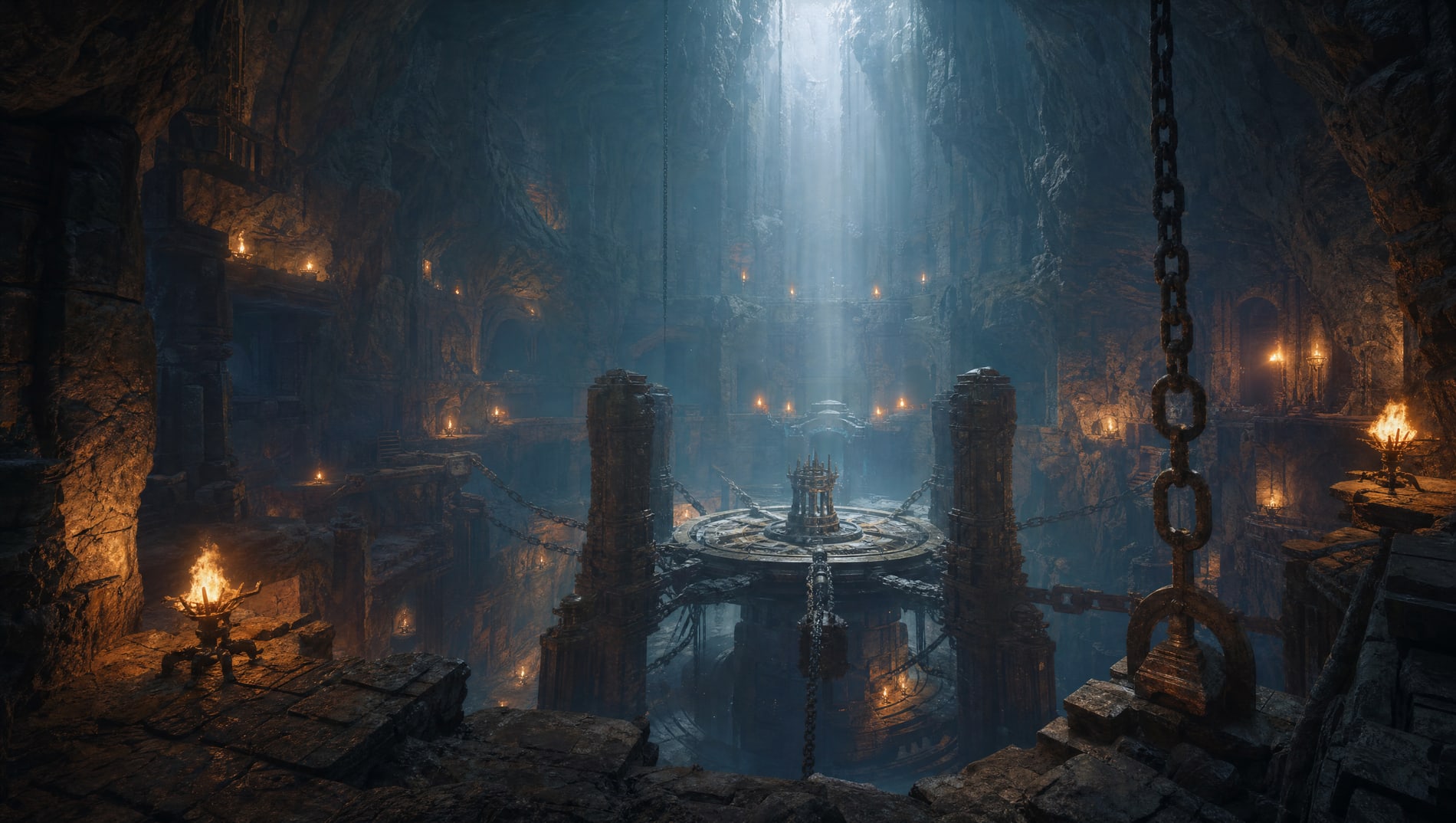
Step off the mechanism and look at it from the edge. Nobody has ever read a room they were standing in the centre of.
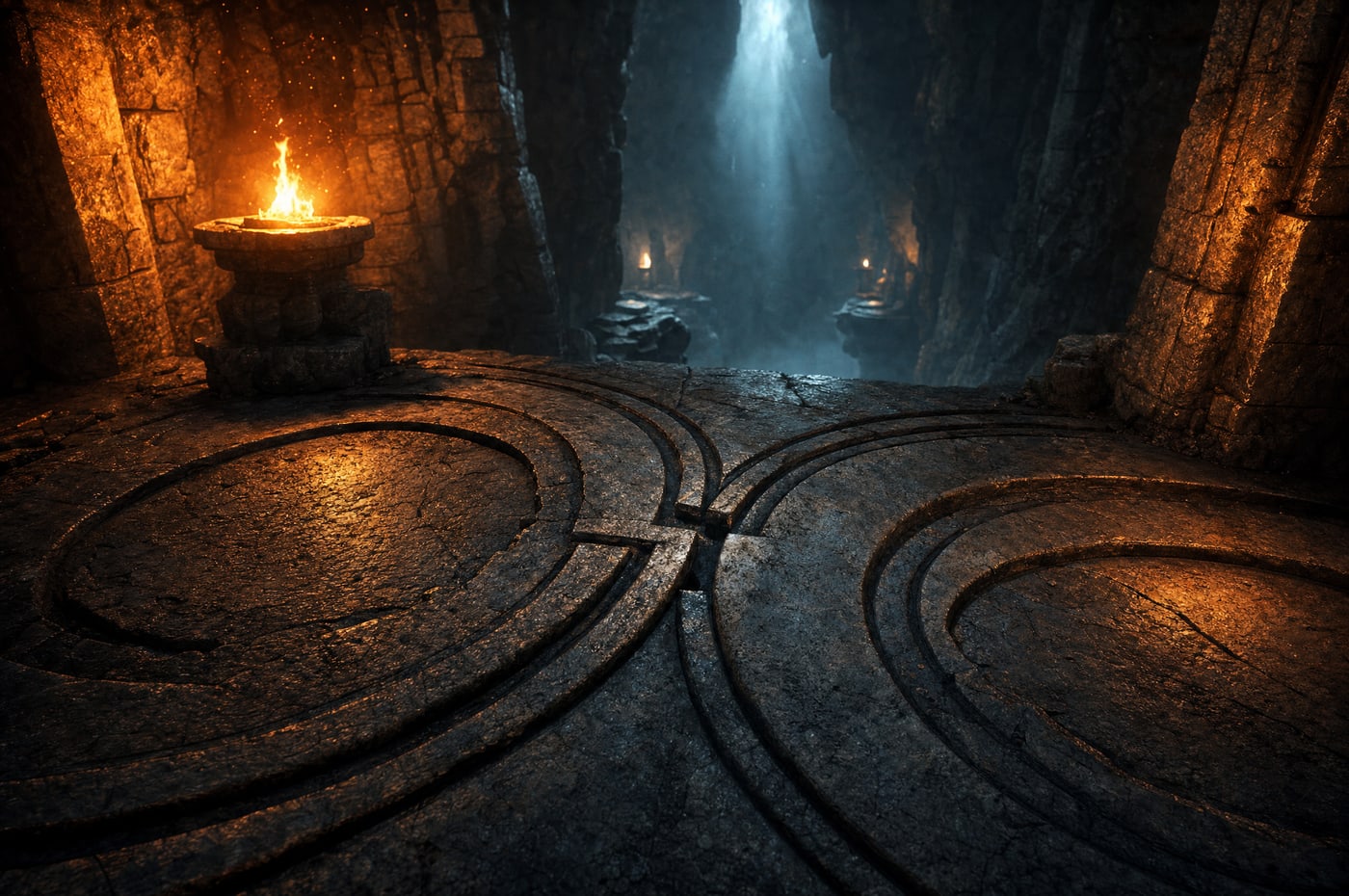
“The piece you are missing is almost never missing. It is a few feet to your left, it has been there the entire time, and you walked past it because it was not glowing. Rooms do not hide things. Players decide in advance what counts as furniture.”