HowTo Network emblem How To: Gaming THE HOW TO CO. — EDITION 10
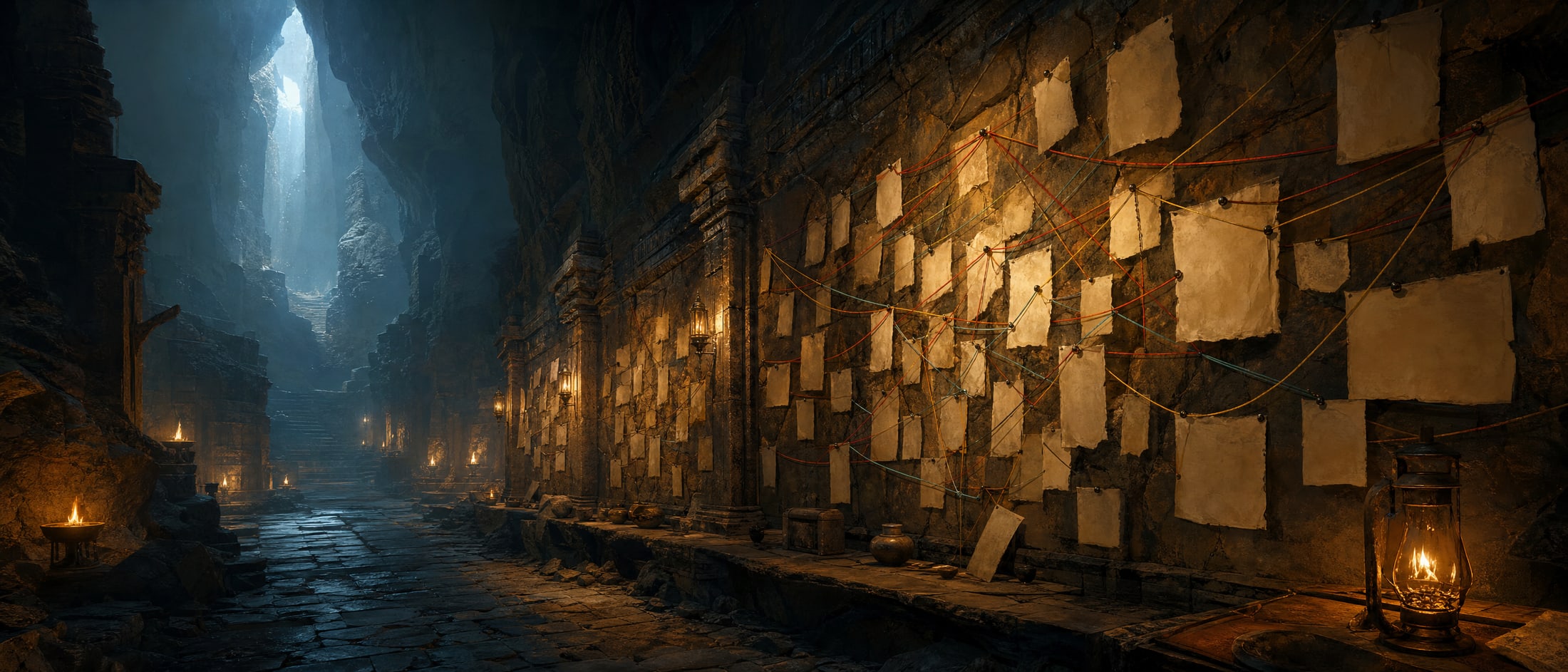
A long underground wall used as a quest board: dozens of blank parchment scraps pinned across the stone and joined by taut coloured threads, lantern light along the corridor.
PATH 03  ·  WALKTHROUGHS  ·  THE THREAD WALL

THE THREAD YOU DROPPED
is still tied on.

You put it down three sessions ago and now the log reads like somebody else’s handwriting. Nothing here is lost. It is untagged, which is a much smaller problem.

4 KNOTS1 SHUTTER, AND ONLY ONEWORDS BY POPPY

A stalled quest is almost never a hard quest. It is a quest you can no longer describe.

LIVEBeing pulled right now. There should be one of these, occasionally two.
SLACKStill tied on, not being walked. Most of the wall is this, and should be.
CROSSINGTwo threads sharing a corridor. Where progress gets fed to the wrong one.
CUTEnds at a wall. Decided once, on purpose, so it stops asking every session.
THE THREAD WALL FOUR KNOTS ONE OF THEM GOES NOWHERE
KNOT ILIVETHE THREAD IN YOUR HAND

Write the verb, not the place.

Nearly every log you cannot read later failed the same way: it recorded a location and left out the intention. A place name tells you where you stood. A verb tells you what you were about to do, and that is the thing that actually went missing.
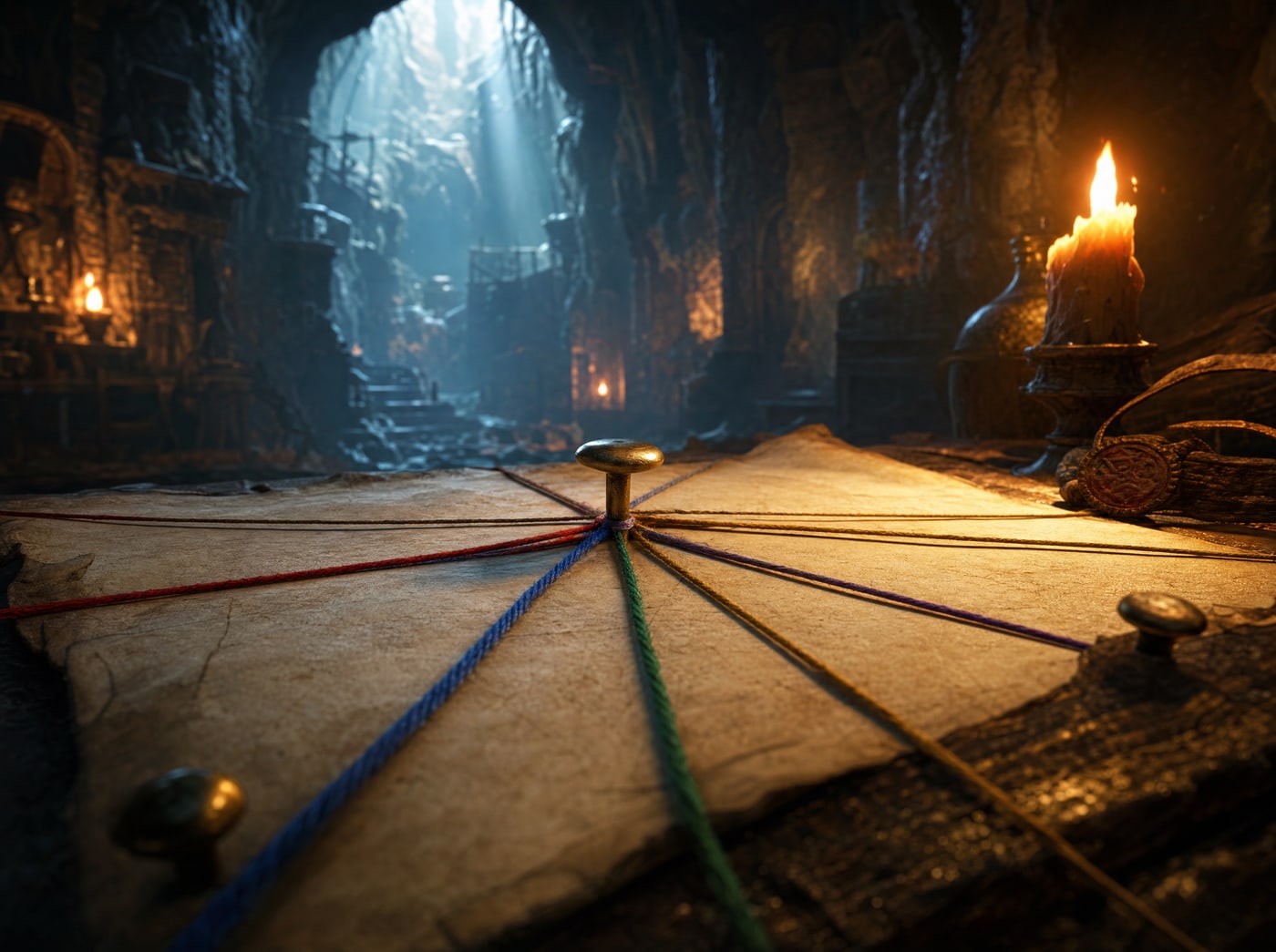
ON THE TAG — one verb, one object, one place. In that order, and nothing else fits.
Coloured threads running in from every direction and meeting at a single brass pin driven through a sheet of blank parchment, a candle burning beside it.
KNOT IISLACKMOST OF THE WALL

Most threads should be hanging slack.

A tracker showing you a screen of live objectives is lying about nearly all of them. You are pulling one. The rest are tied on and waiting, which is a different state from being owed, and the misery of a long game is almost entirely the confusion between the two.
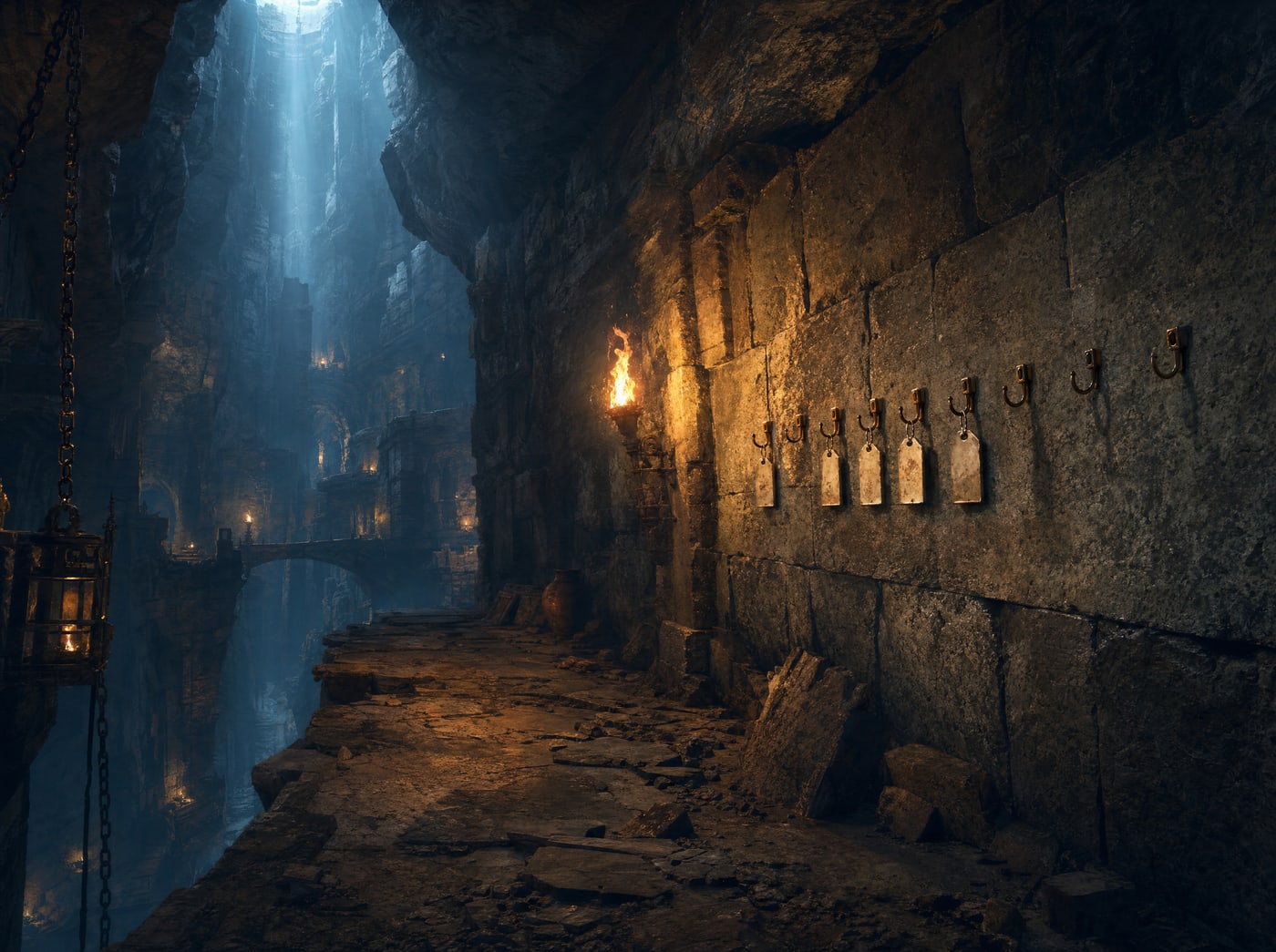
ON THE TAG — the last time you touched it. A slack thread needs nothing else.
A row of iron hooks set into an underground wall, most holding a small blank metal tag, the three at the end empty.
KNOT IIICROSSINGWHERE THE WRONG ONE GETS FED

Unroll one. Weight it flat.

Two long threads running through the same region will steal each other’s progress. You clear a step, feel the click of something advancing, and it belongs to the thread you were not walking. False progress is more expensive than no progress, because it buys you the feeling of having played well.
ON THE TAG — which thread this step belongs to. Crossings are the only place that matters.
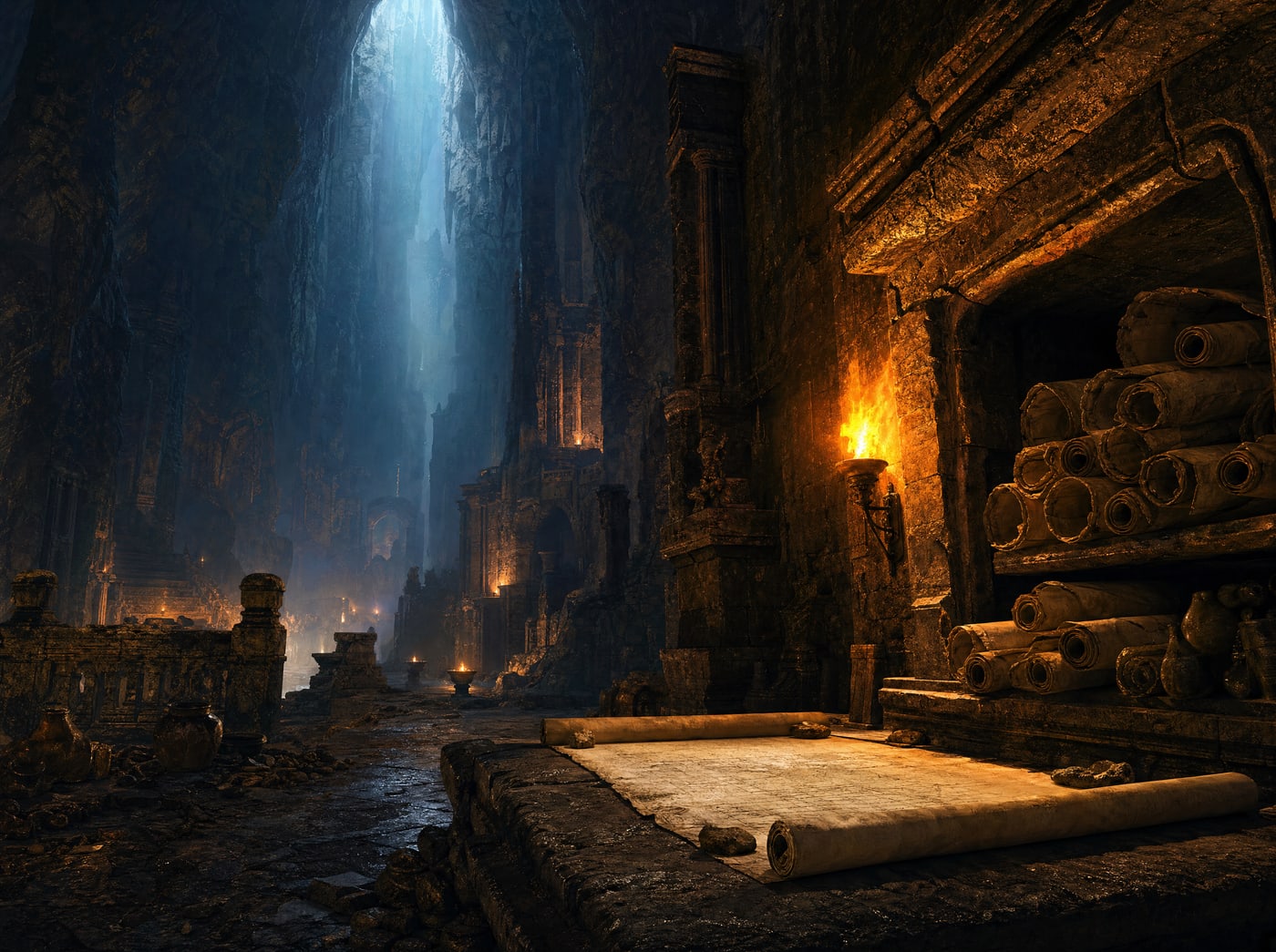
Rolled blank scrolls stacked in a stone alcove beside a torch, one pulled out, unrolled and weighted flat on the ledge below.
KNOT IVCUTTHE THREAD THAT GOES NOWHERE

A thread that ends at a wall is finished business.

Some of what you started is not going anywhere, and you have known that for a while. The cost is not the thread — it is re-deciding about it every single time you open the log. Cut it once, out loud, and take the tag down with it. A wall with gaps in it is a wall somebody is actually using.

ON THE TAG — nothing. Cut the thread and cut the tag; an empty hook is information.
THE ONLY SHUTTER ON THIS PAGE. Tracking is not a secret, so almost nothing here needs hiding. One question does — the answer touches what a game is about to take away from you.
How do you tell a door is about to close, without being told what closes it? ◆ SHUTTER CLOSED — OPEN FOR THE ANSWER◆ SHUTTER OPEN — CLOSE IT AGAIN

Read the plumbing, not the plot. A game announces a point of no return by quietly withdrawing an ordinary freedom: a merchant’s stock stops restocking, fast travel loses a destination, a companion starts asking you to come now, a save happens where one has never happened before. None of that tells you what is on the far side — it only tells you that a side exists. That is the whole trick. You are not asking the game what happens next; you are asking it whether the room behind you is still there. Notice the withdrawal, walk your slack threads, then go through.
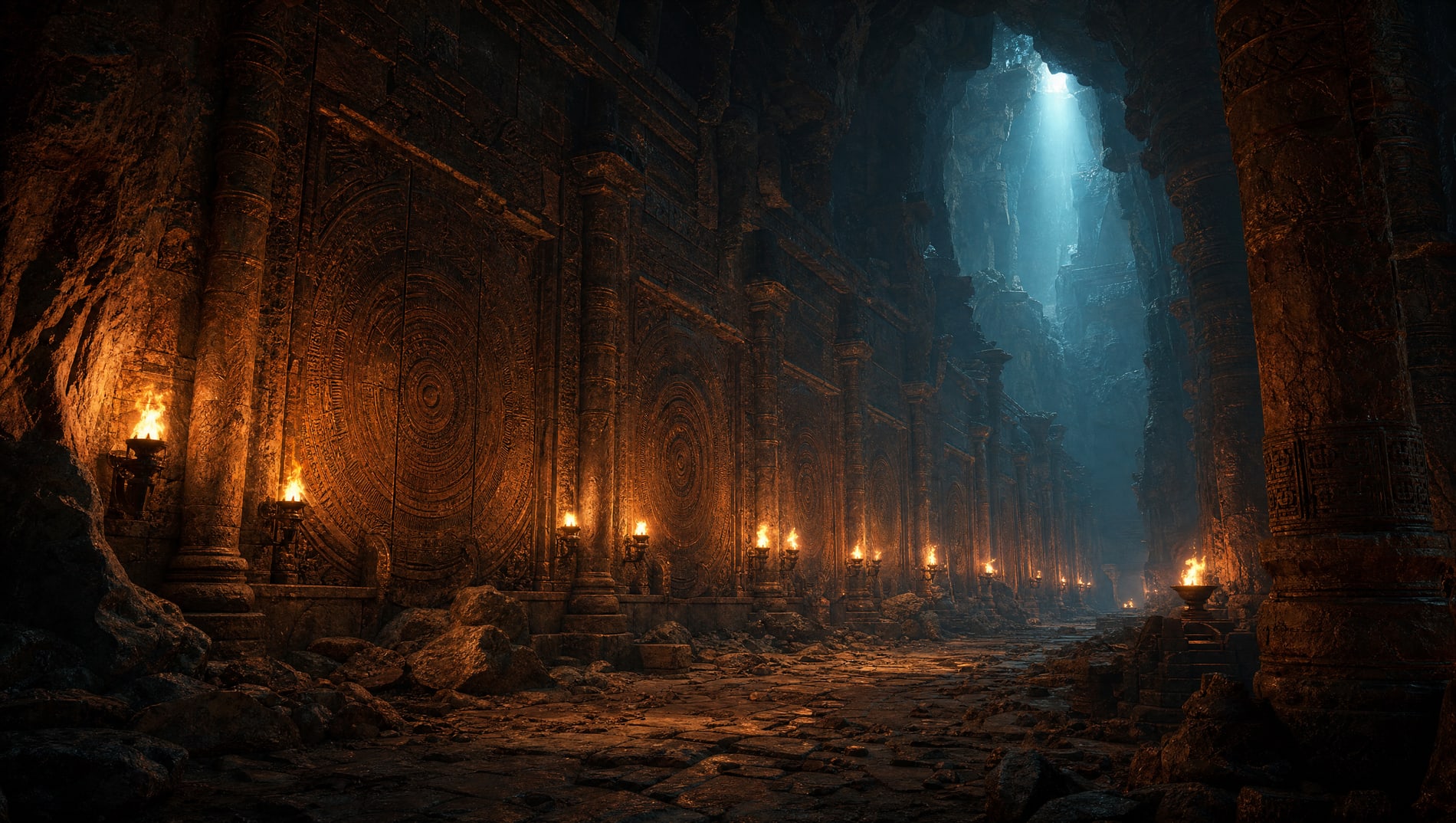
The full length of the thread wall seen down a torchlit corridor, the pinned parchment receding into the dark.
COMING BACK AFTER A LONG TIME AWAY

Do not stand there reading the wall.
Walk it.

THE RE-ENTRY — WHAT TO DO IN THE FIRST FIVE MINUTES BACK
01
TAKE NOTHING NEW

For the first few minutes, accept no quest. Adding a thread while lost is how a wall becomes a heap.

02
READ THE GROUND

Where you are standing is a better record than the list is. Look at the room you logged out in before you look at any menu.

03
WALK ONE LOOP

Retrace the last place you remember choosing something. Movement gives back context that reading never does.

04
FINISH ONE SMALL

Pull one short thread all the way to done before anything else. One closed thread reprices the whole wall.
Quest Log

GUIDES BEING WRITTEN FOR THIS PATH
01How to Rebuild a Quest Log After Three Weeks AwayQUEST PENDING
02How to Tell a Timed Thread From One That Will WaitQUEST PENDING
03How to Write a Note to Yourself That Still Makes Sense LaterQUEST PENDING
04How to Drop a Side Quest Without Feeling Like You QuitQUEST PENDING
05How to Stop Two Long Threads From Stealing Each Other’s ProgressQUEST PENDING
06How to Find Where You Were When the Marker Is GoneQUEST PENDING
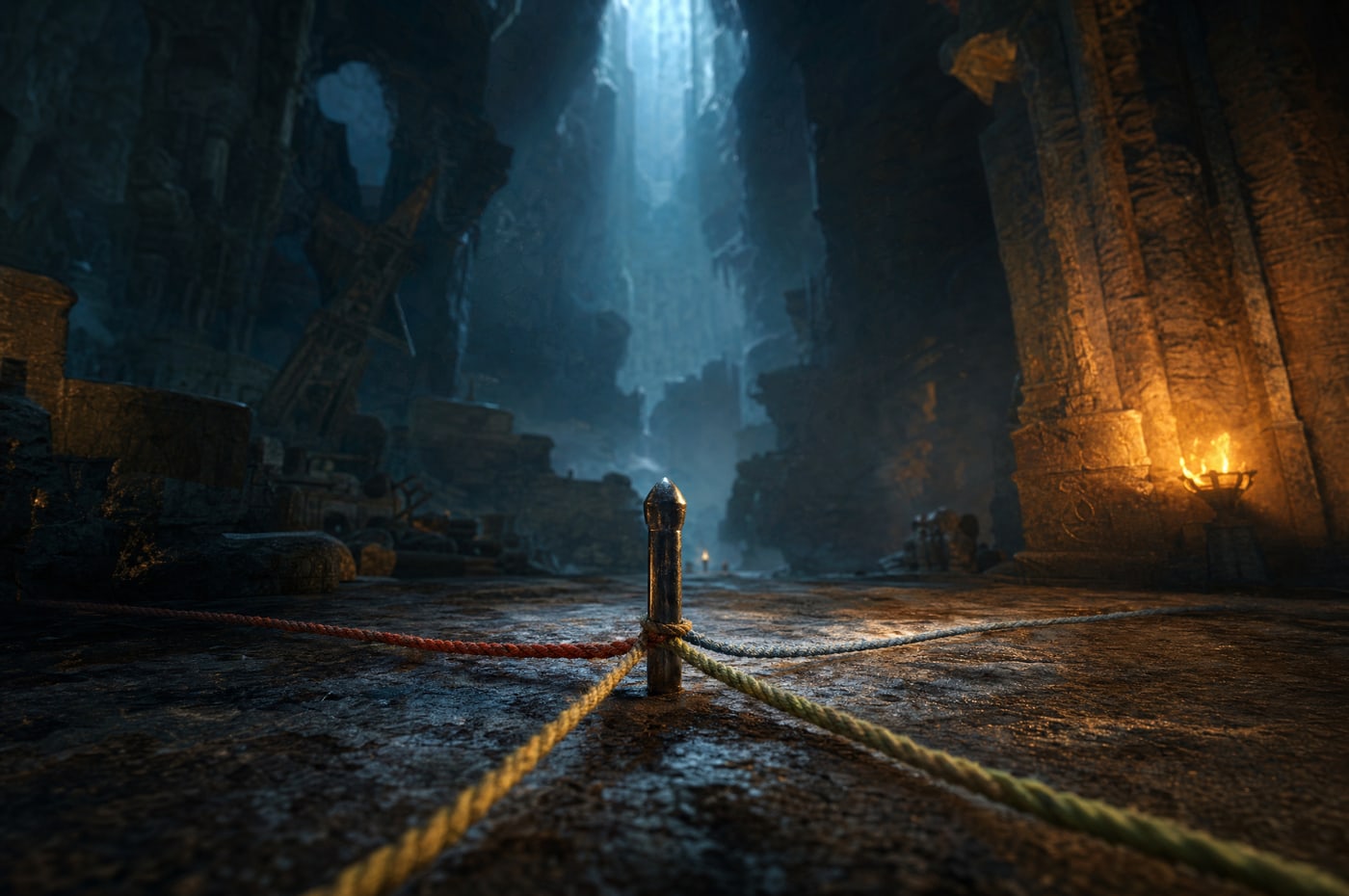
A single pin standing in stone with four ropes drawn tight from it, each running off in a different direction into the dark.

“I keep a paper notebook next to the desk and there is one line in it per session: what I was about to do. Not what I did — that part I always remember. Six words on the way out has saved me more hours than every wiki I have ever opened.”

POPPY — CONTRIBUTOR PROFILE · HOME REGIONS: VIDEO & COLLECTIBLES