 How To: Gaming
THE HOW TO CO. — EDITION 10
How To: Gaming
THE HOW TO CO. — EDITION 10
How To: Gaming
THE HOW TO CO. — EDITION 10
How To: Gaming
THE HOW TO CO. — EDITION 10
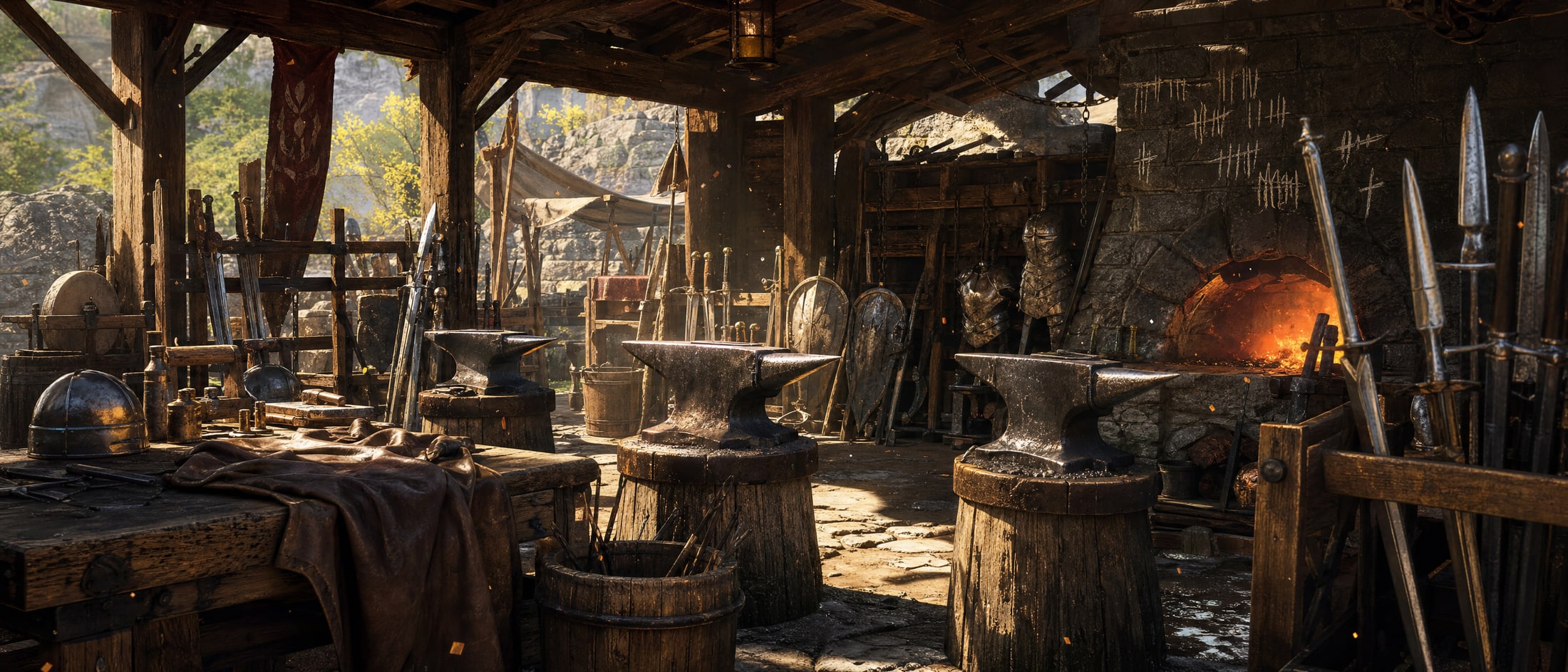
Nothing on this bench is free. Every point you spend is a point that is not somewhere else, and the people who look effortless are only the ones who know what they gave up.
You are not choosing what to be good at. You are choosing what to be bad at.
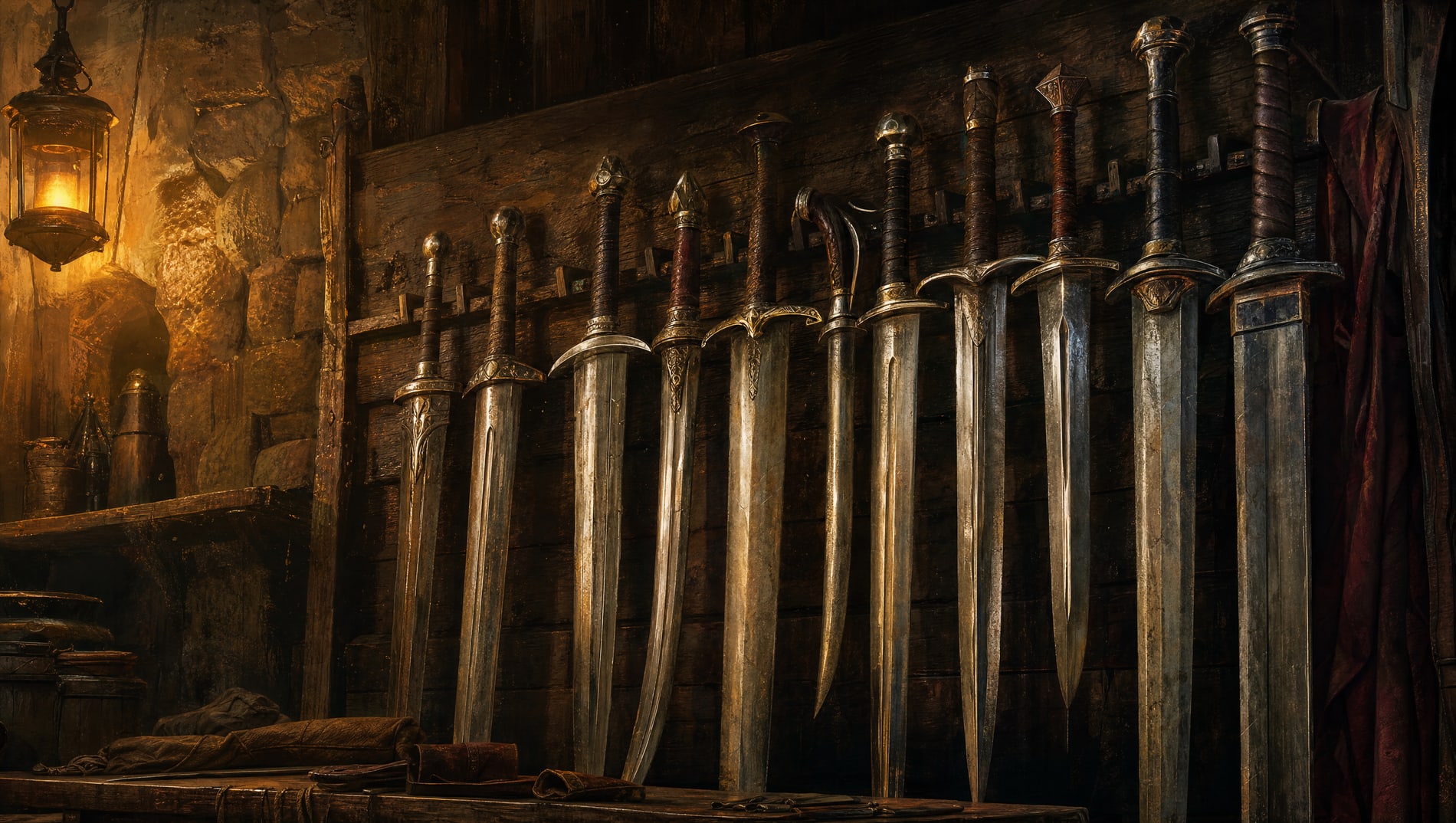
TWELVE FINISHED BLADES ON ONE WALL. NONE OF THEM IS THE BEST ONE.
THREE ARCHETYPES · ONE RACK · THE SAME SIX SLOTS IN THE SAME ORDER, EVERY ROW · STRUCK THROUGH MEANS YOU DID NOT GET IT
Ends the fight before the fight can end you. Loses to anything that opens with a surprise.
Every death review says the same word: opener.
Never dies. Also never finishes. Bring a friend, or bring a clock and some patience.
You are not stuck. You are just slow on purpose.
Wins by not being where the damage is. Everything it does is a setup for something else.
Nothing it does looks strong on its own.
Three archetypes, one rack, and not a single empty hook between them. Every hand you fill takes a hand away from somewhere else.
Stat priorities, the numbers that stop paying, and the honest version of “just respec”. A build is not a list of what you took. It is a list of what you agreed to be bad at.

Slot economy: what earns its place, what is there out of habit, and the one piece you should never swap on the morning of something that matters.
Routing, resets, and why the fastest players quit runs more often than you do. Speed is mostly the willingness to throw away a start that is already behind.
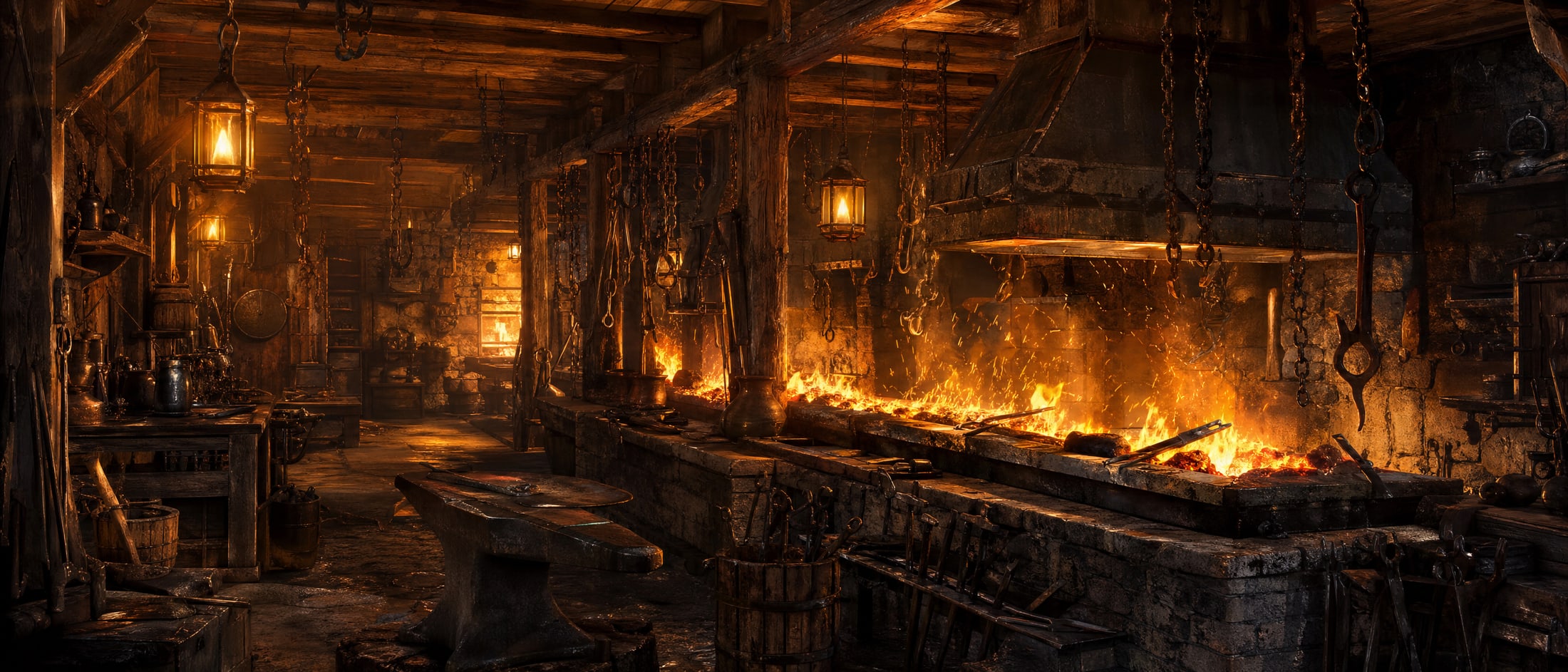
Every build in this room came out of the same trough. The difference is only what each one was cooled into.
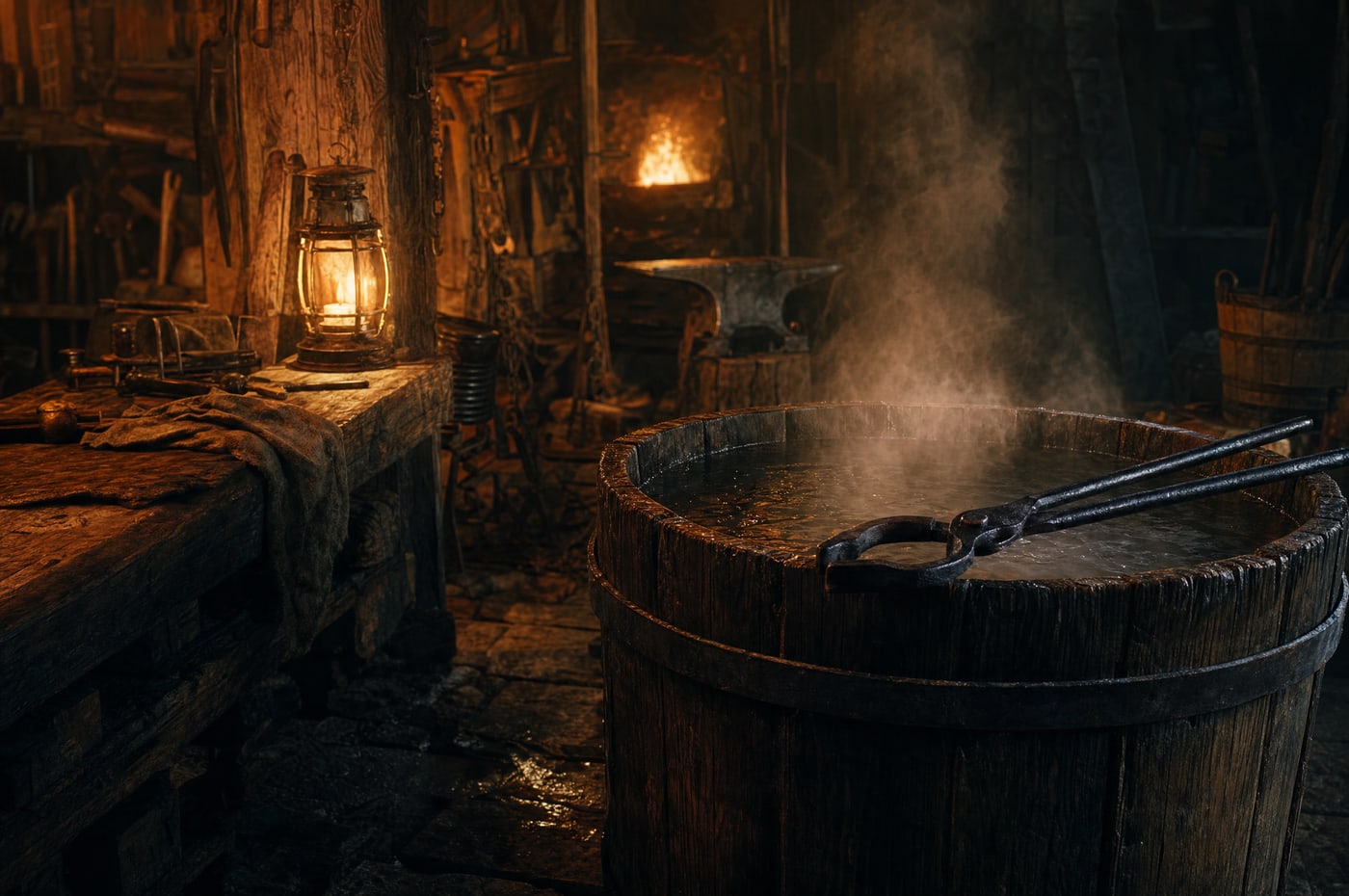
There is a point where tuning stops paying and starts costing — usually about forty minutes after you found the thing that worked. The build was fine. You kept going because stopping felt like admitting you were done.
The test is simple and it is not about numbers: if you cannot say out loud what the last change bought you, put the tongs down.
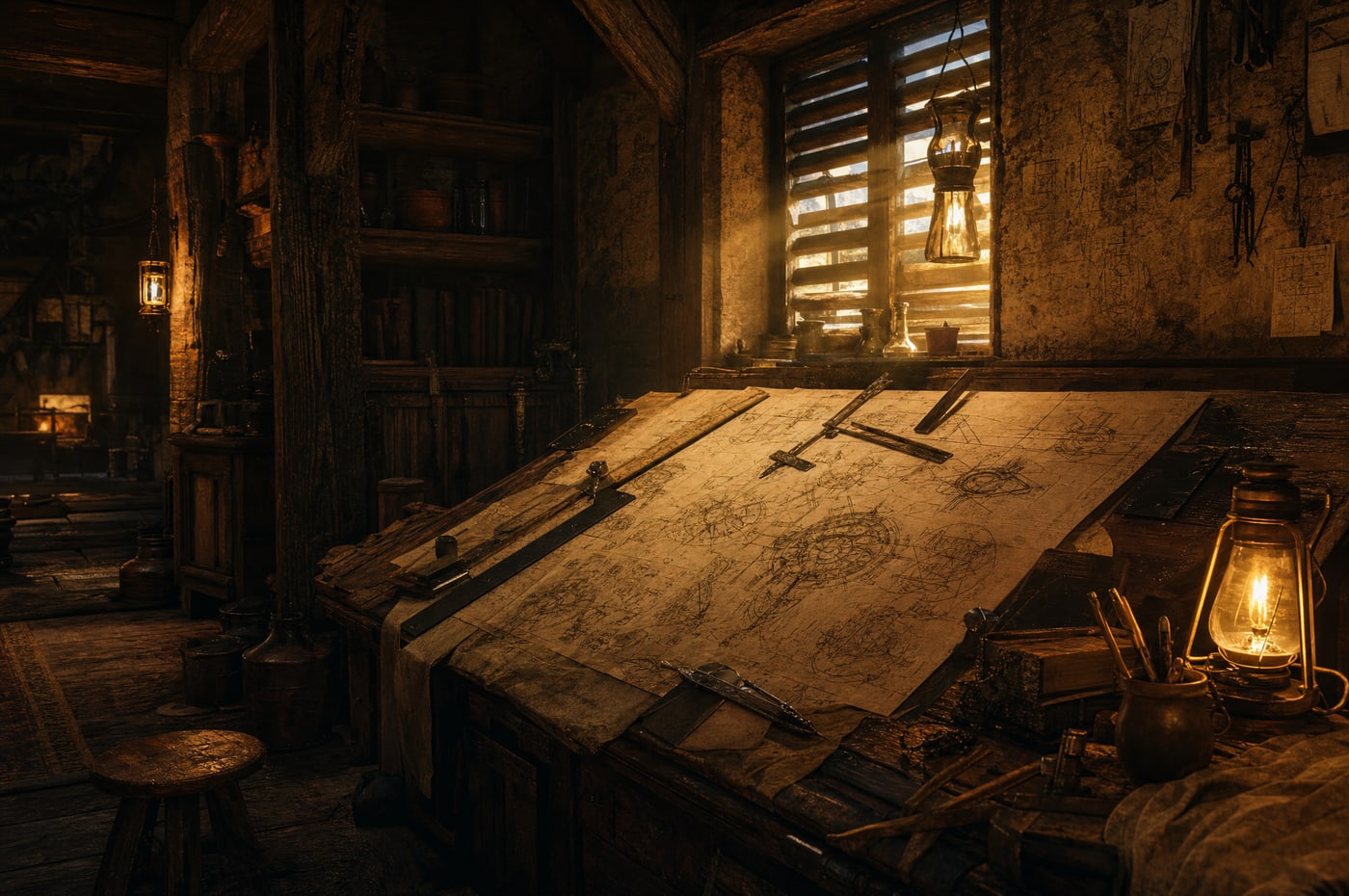
Write the build down before you commit anything to it: the three things it is for, and the three things it will simply lose to. Ten lines on paper, or a note on your phone. It takes two minutes and it survives the patch.
Most 2 a.m. respecs are not a plan changing. They are a plan that was never written down, being re-argued from memory by someone tired.
There is no strongest build. There is the one you can still play well at eleven o’clock on a Tuesday — and that one is real.

“Nobody keeps a list of what their build gave up. That list is the build. The other one is just the receipt.”