 How To: Gaming
THE HOW TO CO. — EDITION 10
How To: Gaming
THE HOW TO CO. — EDITION 10
How To: Gaming
THE HOW TO CO. — EDITION 10
How To: Gaming
THE HOW TO CO. — EDITION 10
The picture is the easy part. One photograph gets printed onto a dozen different finishes, each with its own count, and the card in your hand is only ever worth what that particular version is worth. Name the version first. Everything else in this lane follows from it.
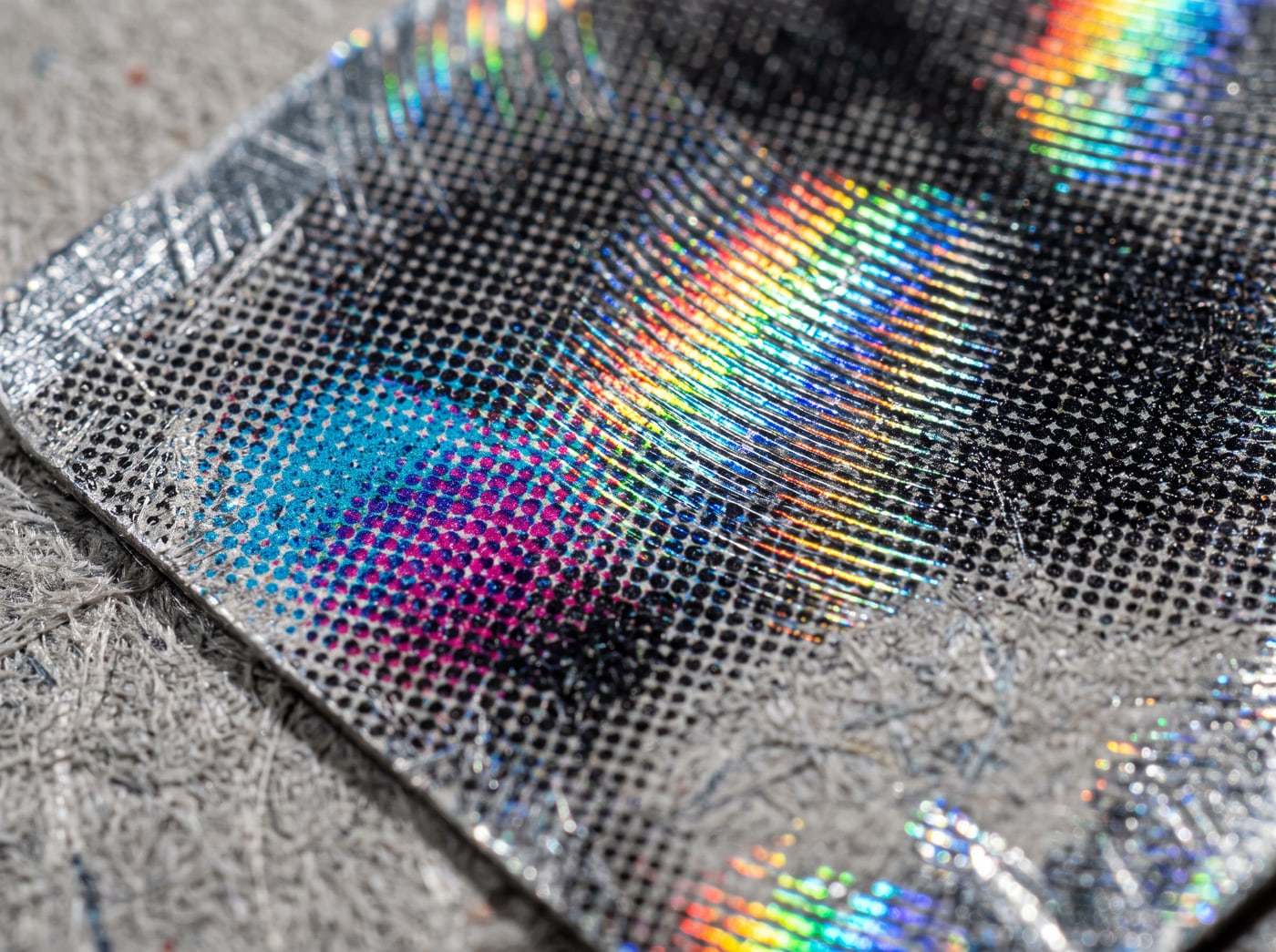
“Nobody asks what the card is any more. They ask which one it is. Two people can hold the same photograph and be holding completely different objects.”READ: HOW TO SPOT A FAKE HOLO IN TEN SECONDS →
Read it from the trunk up. One base card, then a branch for every finish the product puts that picture onto. Some branches end in a printed count and some end in nothing at all — which is why colour only ever appears on the last stretch of a branch that is counting something. The counts are not a sequence and they are not ranks: /199, /99, /25 and 1/1 hang off the same base at the same time, on different branches, and one player’s card can exist as all four at once. Every product names its own finishes and sets its own numbers. The shape is the part that never changes.
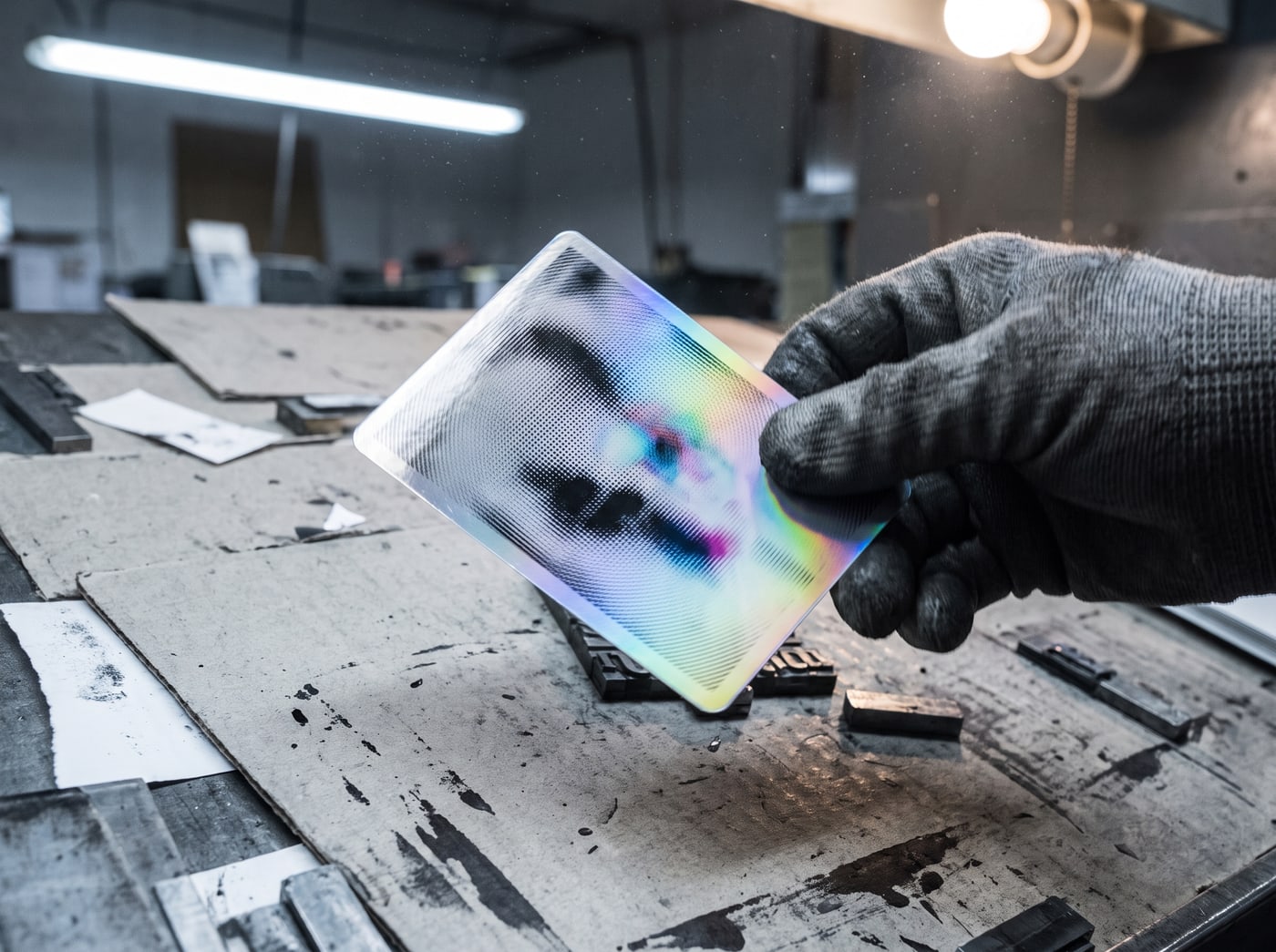
Refractor is Topps’. Prizm is Panini’s. They are two companies’ names for their own chromium lines, so a card is never both, and neither word is a general term for a shiny card. Chrome is neither of those things — it is the stock, a chromium paper first used in 1993 Topps Finest Baseball.
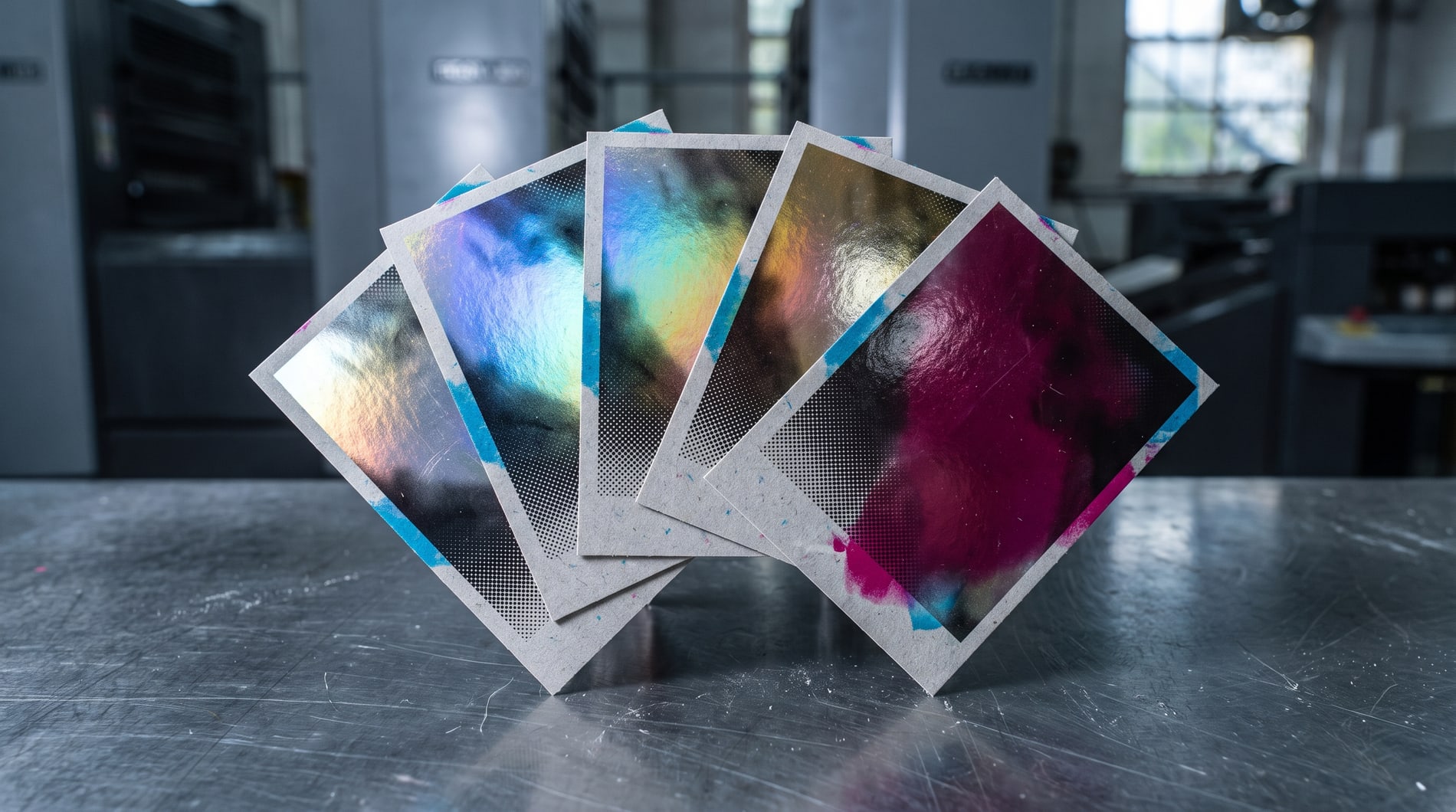
What they share is a chromium stock with a light-scattering treatment that throws a rainbow sheen across the card as you tilt it. No manufacturer publishes how that is done. Topps will say only that it uses a special printing technology, and that the cards refract light to create a prism or rainbow-like look. That is the whole of the published record. Anyone who offers you the physics is filling in the gap themselves.