 How To: Gaming
THE HOW TO CO. — EDITION 10
How To: Gaming
THE HOW TO CO. — EDITION 10
How To: Gaming
THE HOW TO CO. — EDITION 10
How To: Gaming
THE HOW TO CO. — EDITION 10
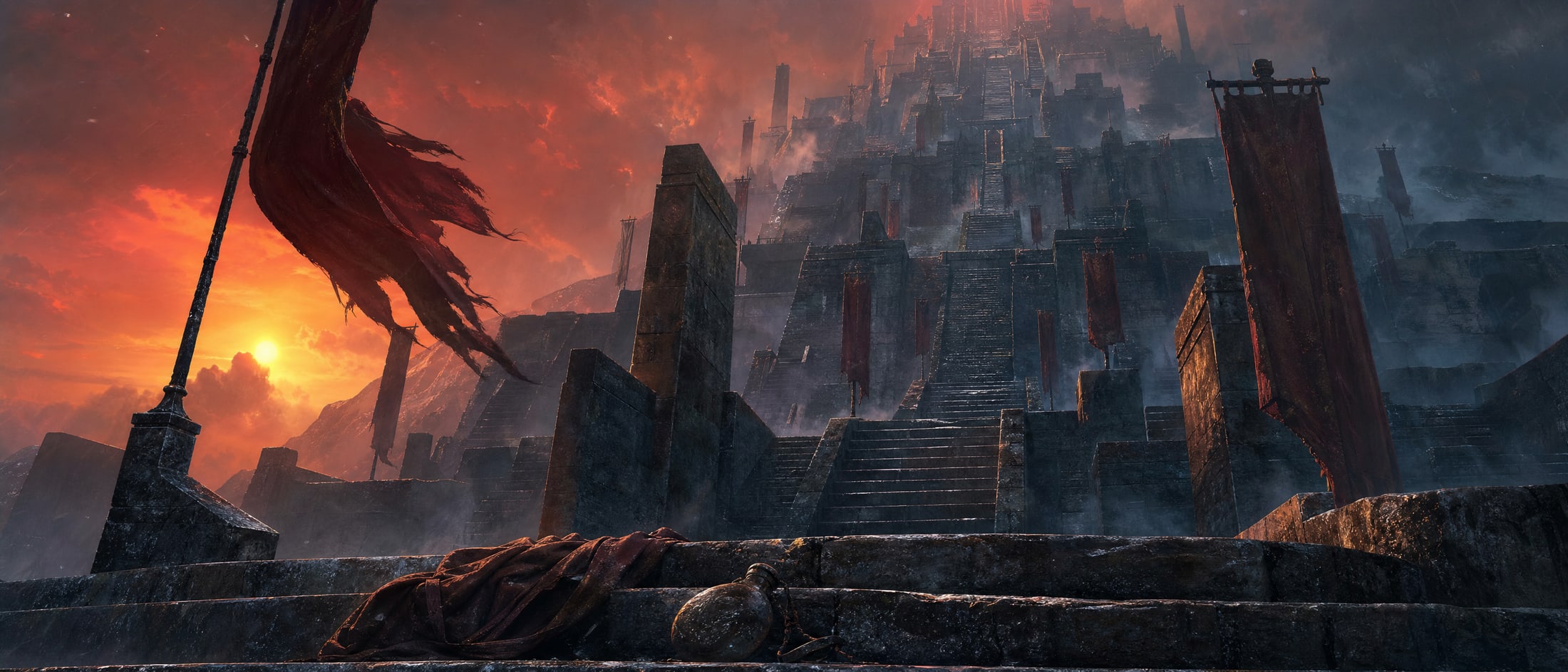
Every step up this thing is one specific mistake you stopped making. None of them are the one you assume, and none of them are wanting it more.
From underneath, a line is a ceiling — the thing you keep hitting and cannot name. From on top of it, the same line is a floor — a thing you have stopped having to think about at all. Nobody crosses a line by getting better at the floor they are already standing on. That is why grinding sideways feels like effort and reads as nothing.
Almost everything that beats you here is something you did, not something they did. The input that did not come out. The button pressed twice. The plan that was correct and arrived as a mess.
You can do the thing you meant to do, on demand, at the moment it is least calm.
Your hands are fine now and you are still arriving late. You are playing the thing in front of you instead of the thing about to happen, because nobody has told you where the game keeps happening.
You can say what is about to happen before it happens, and be right more often than not.
You have one very good plan. Everyone at this altitude has now seen it, and they are not beating you — they are beating the version of you that they watched last week. The thing that got you here is the thing holding you.
You can abandon a plan that is losing, mid‑match, without deciding that you are bad.
Nothing left up here is yours alone. Your ceiling is made of other people now — what gets said, who takes which job, whether four other players want the same thing on the same night.
Nobody has written this rung down. The people standing on it still argue about what it is.

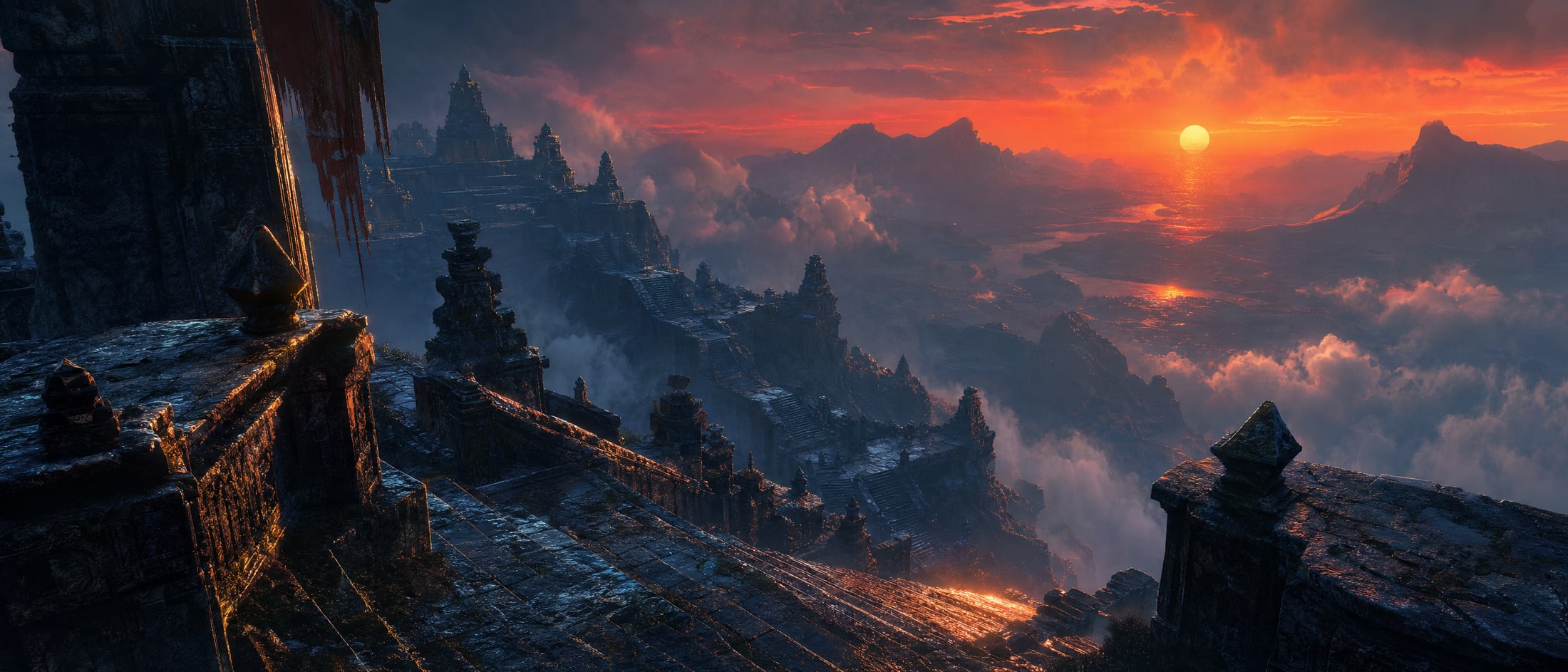
Every terrace below you was once the one you could not see over. Nobody remembers crossing it.

A session that gains something whether it wins or loses. Queueing on purpose, reviewing a game you would rather not watch, and the difference between playing a lot and climbing.
ENTER →
Aim, timing and reaction are trainable, and almost nobody trains them on purpose. What a warm‑up is actually for, and why the drill you enjoy is usually the one you already pass.
ENTER →
Solo queue has a ceiling built out of strangers. How to find people worth playing with, what to say in the first ten minutes, and how to leave a team without burning it down behind you.
ENTER →
A ladder never closes. That is the entire danger of it. A session with no end condition ends when you are at your worst — and the last four games are the ones you remember, so you finish the night learning something false about yourself. Pick the exit before you need it.

“The ladder is the only opponent that never gets tired. You are allowed to be the one who walks away first.”