 How To: Gaming
THE HOW TO CO. — EDITION 10
How To: Gaming
THE HOW TO CO. — EDITION 10
How To: Gaming
THE HOW TO CO. — EDITION 10
How To: Gaming
THE HOW TO CO. — EDITION 10
● GRADING · CHAPTER 07 — ROUTE 01 · DECIDE
Before you send a card to be graded, run the numbers. The honest break-even, how to read your own card's flaws, and when a raw card is simply worth more.
MATH → CARD → CALL. NONE OF IT COSTS ANYTHING YET.
STEP 01 · THE MATH
Fee, shipping, the wait, and the odds you are wrong about the grade. Most cards fail this before you spend a cent.
STEP 02 · THE CARD
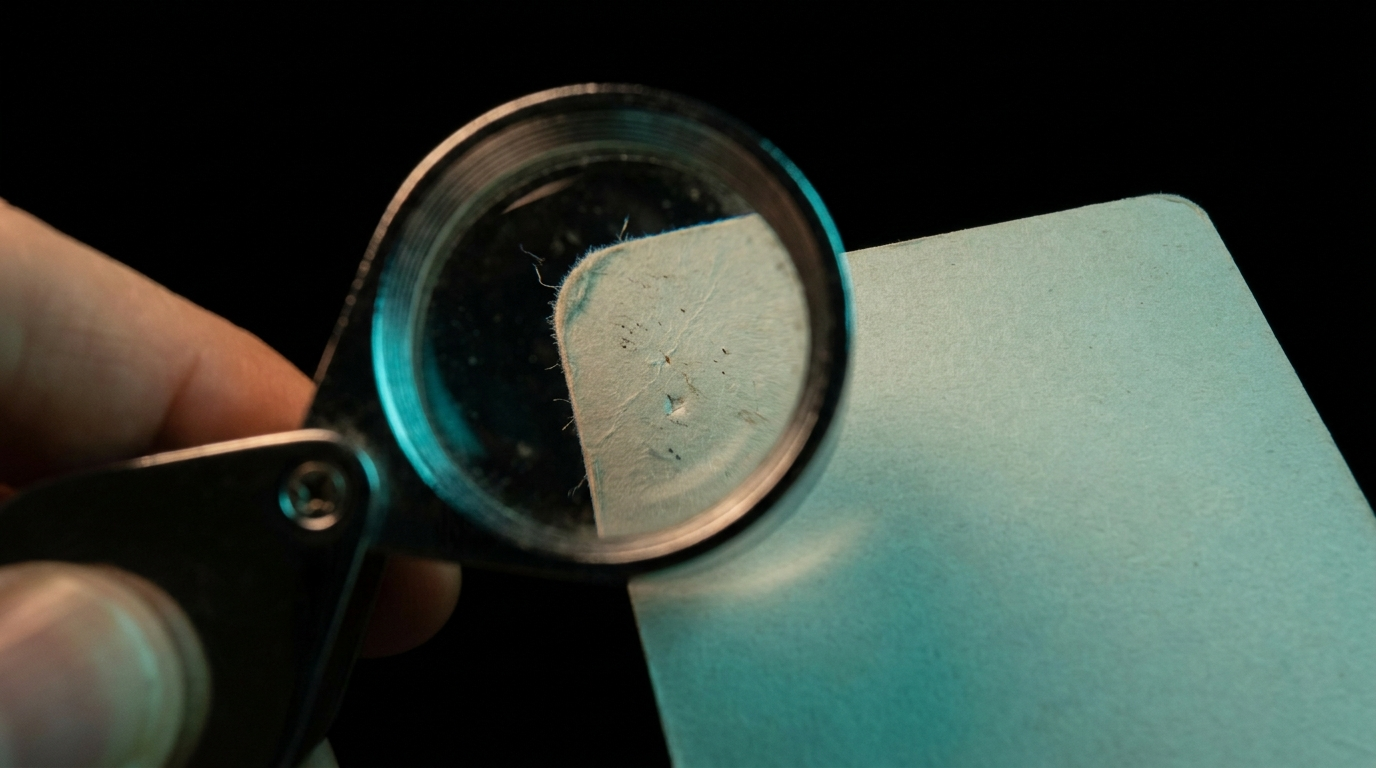
Centering, corners, edges, surface. Learn to see the four things a grader sees before you pay them to see it.
STEP 03 · THE CALL
Plenty of cards are worth more loved than sealed. Here is when keeping it raw is the smarter, cheaper answer.

Six more guides on this route are in production.
 ▸ PULL RATE · THE COMPANION BOARD
Grading starts with the price. See what a card did today, before you send it in.
CHECK THE BOARD →
▸ PULL RATE · THE COMPANION BOARD
Grading starts with the price. See what a card did today, before you send it in.
CHECK THE BOARD →