 How To: Gaming
THE HOW TO CO. — EDITION 10
How To: Gaming
THE HOW TO CO. — EDITION 10
How To: Gaming
THE HOW TO CO. — EDITION 10
How To: Gaming
THE HOW TO CO. — EDITION 10
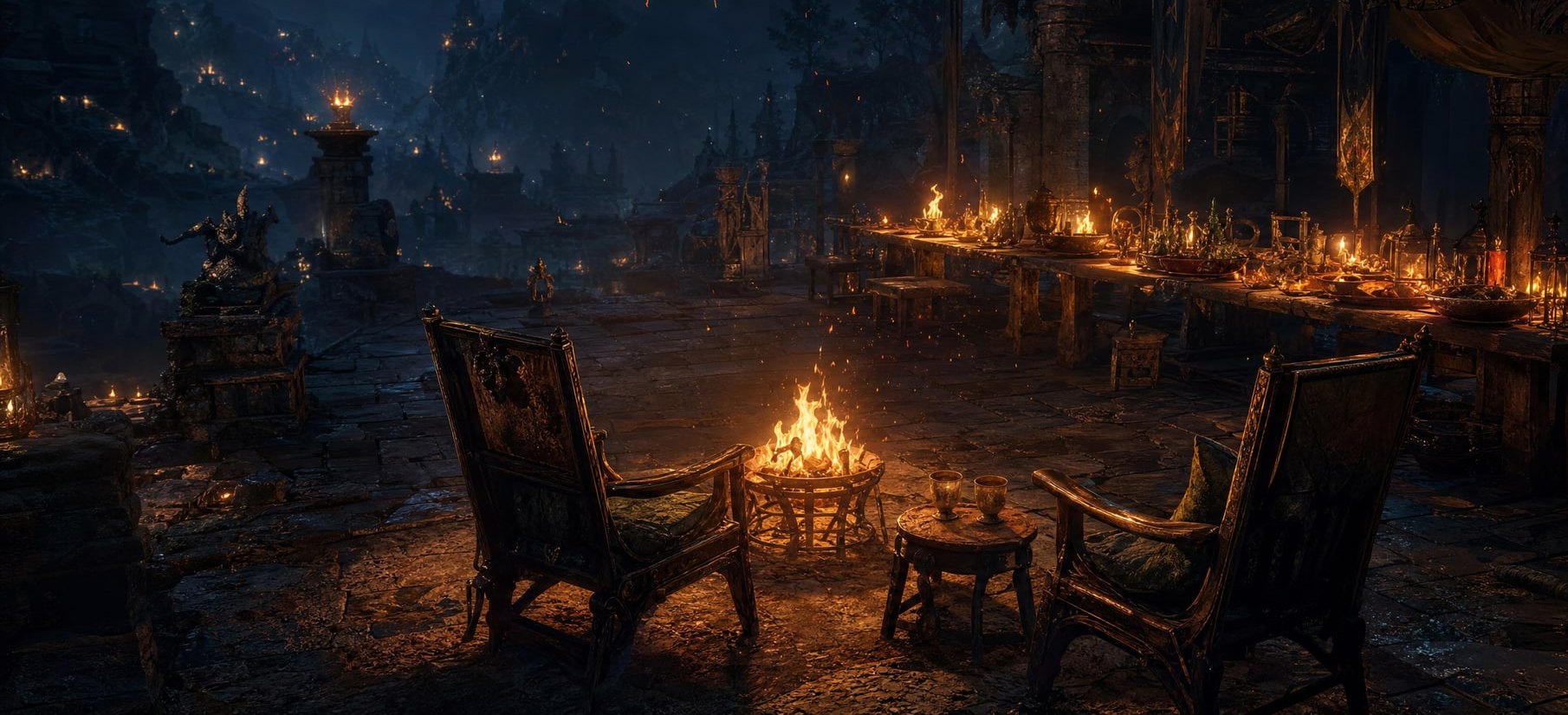
Two chairs off the long table, turned in. What keeps a friendship alive inside a game is dull, repeatable and never discussed — which is precisely why it stops.
A party needs a plan.
Upstairs, at the long table, somebody is always doing the arranging and never being thanked for it.
Two people only
need a habit.
Down here there is nobody to organise. There is one other person, and a thing the pair of you keep doing.
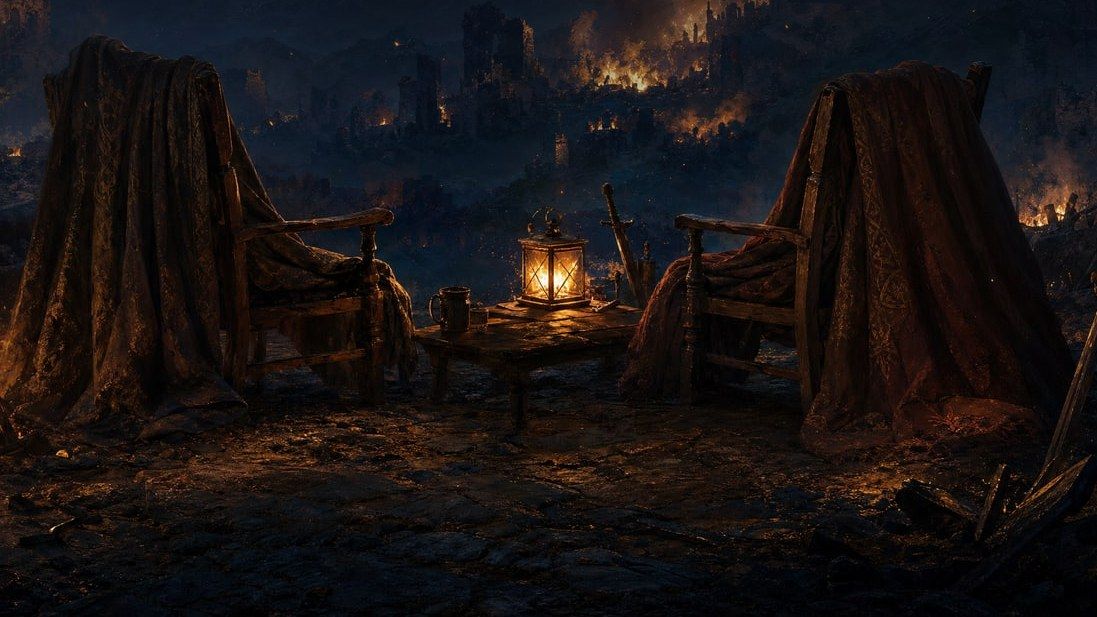
A standing night is not a commitment, it is a default. It works because nobody has to decide anything — same evening, same hour, and it happens whether or not either of you has news. The month it earns its keep is the month one of you is too flat to suggest anything, which is the entire reason it exists.
WHAT ACTUALLY HOLDSCancel out loud and cancel early. A night that dies of silence takes the next four with it, because both of you quietly decide the other one had gone off it.
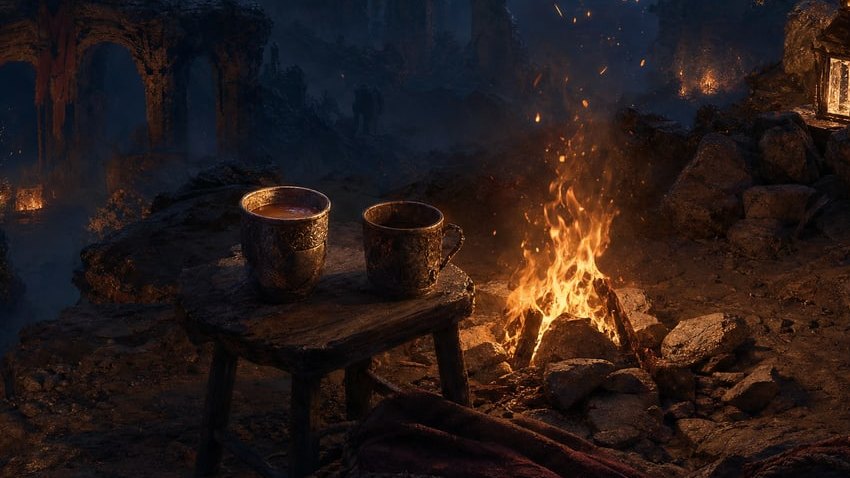
This is the common one and it is not a rejection. People follow whatever is new, and whatever is new is almost never new for both of you in the same month. The mistake is reading their move as a verdict on your taste and then waiting them out, so that neither of you has to be the one who followed.
WHAT ACTUALLY HOLDSGo and be bad at their thing for a fortnight. You are not converting, you are keeping the line open. If it truly is not for you, say so plainly and put a different night in its place — the friendship was never the game.
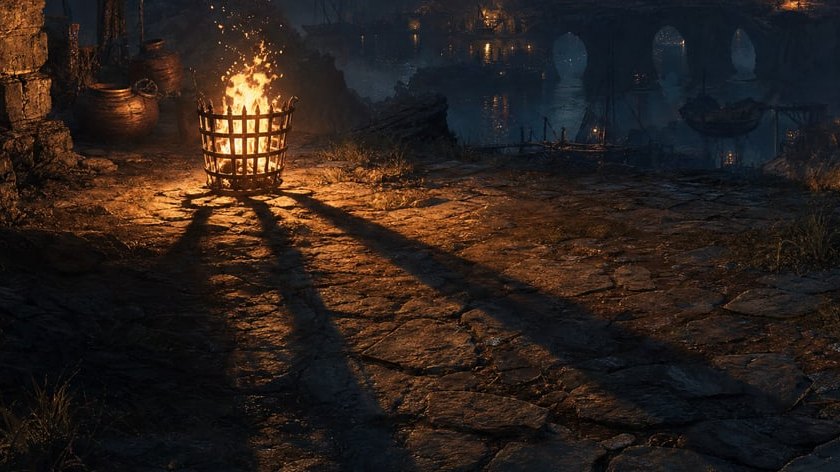
Skill gaps do not end friendships. Coaching does. The stronger player narrates, corrects and turns an evening into a lesson nobody enrolled in; the weaker one goes quiet, then goes missing. It runs the other way too. Being carried is a novelty for about two weeks and a small humiliation after that.
WHAT ACTUALLY HOLDSChoose modes where the gap is a resource instead of a scoreboard — one shared objective, or a handicap agreed out loud and in advance. Answer questions; do not pre-empt them. And let them lose things.
Some of these were made of the same forty hours a week and ended when the hours changed. That is not a failure of either person and it does not need a post-mortem.
You can usually tell which is which by what happens after you send the message. A friendship in a busy patch replies late and means it, then names a night. A finished one replies warmly and never names anything. Treating the second like an emergency is how you turn a good memory into an obligation.
Let it be seasonal. People come back to games, and they come back to each other, and it is remarkable how often those are the same week.

“The two-person version of a group is not the small version. It is the one you cannot hide inside.”
I have one friend I have played with for eleven years and we have never once had a conversation about it. We both just know it is Thursday. Every group I have tried to organise properly needed a chat, a poll and a spreadsheet, and every one of them is dead.
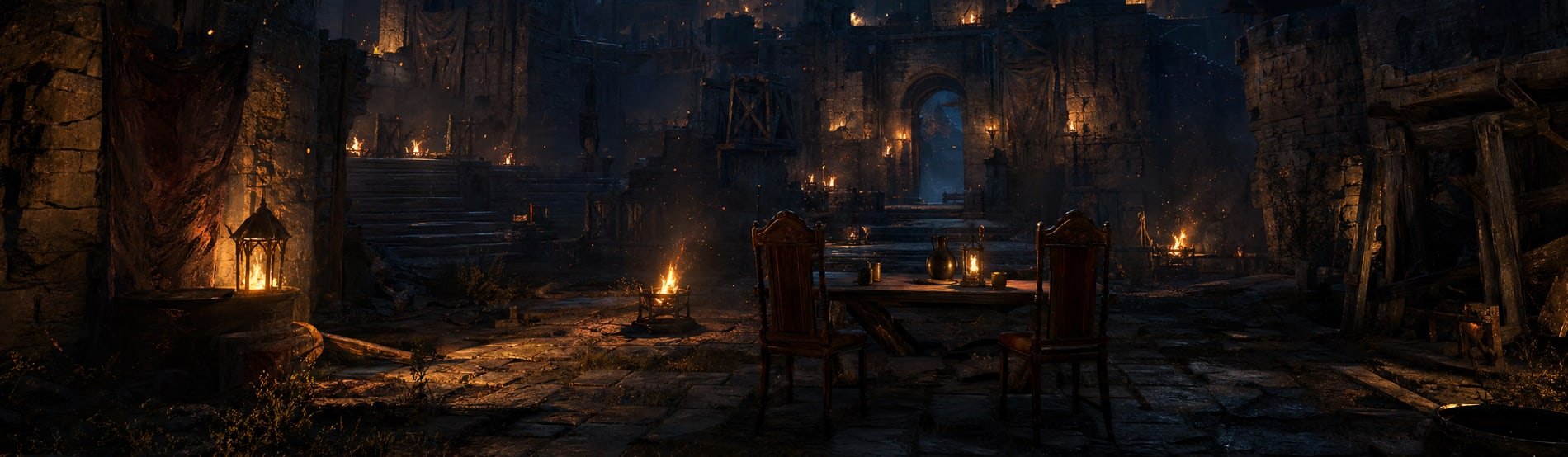
From the long table, two chairs turned away look like people leaving. They are the reason anybody stayed.