 How To: Gaming
THE HOW TO CO. — EDITION 10
How To: Gaming
THE HOW TO CO. — EDITION 10
How To: Gaming
THE HOW TO CO. — EDITION 10
How To: Gaming
THE HOW TO CO. — EDITION 10
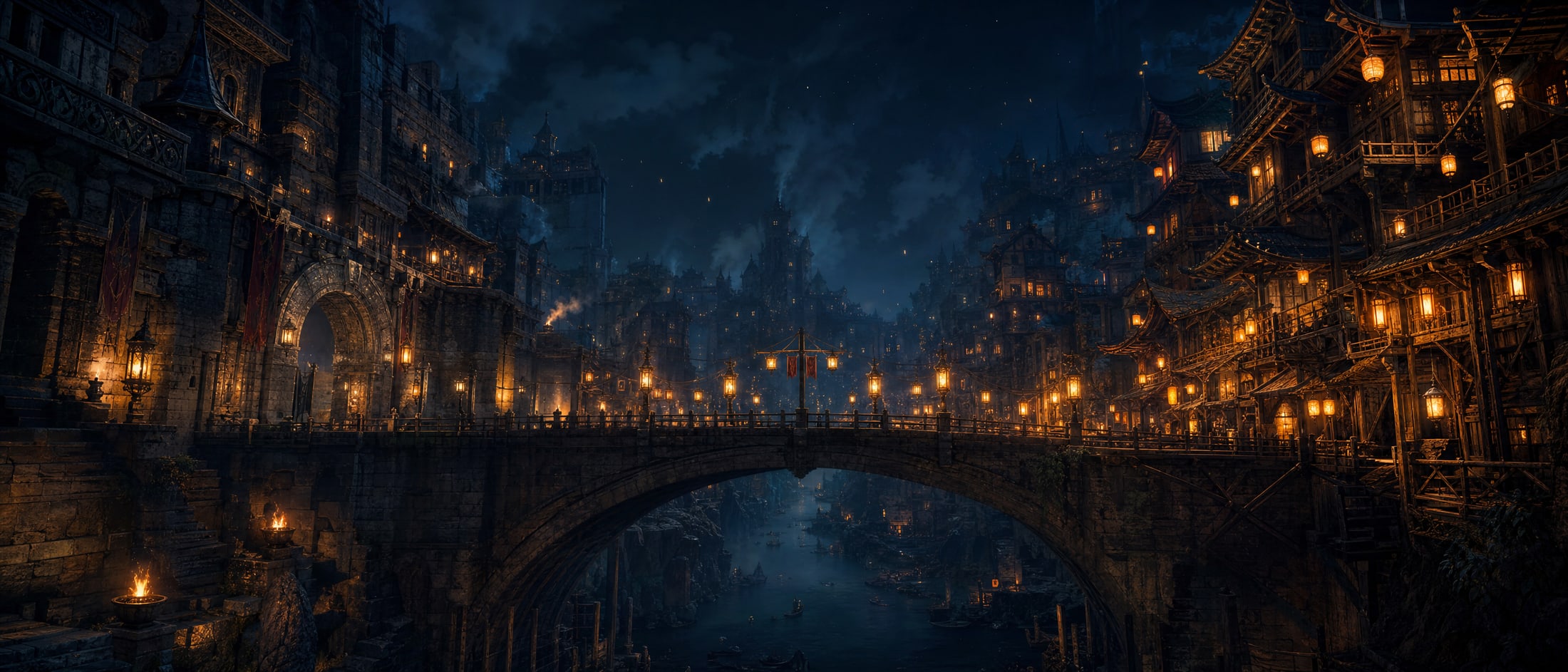
Your people are standing on the other bank. The river was never the problem. The problem is that nobody drew the two sides to the same plan, and somebody still has to get you across.
Two districts raised by people who never met, on opposite sides of water neither of them wanted to cross. The bridge came later, and it was somebody’s job.
On this bank you have one name, and it is the only name the gate keeper knows. One span over, it means precisely nothing.
Your friend has one too. Same person, different register, different clerk, and no reason on earth for the two entries to agree about anything.
So every crossing starts with the same dull errand: tying the two names into one, from both ends, before either bank admits the other exists. Do it on a quiet afternoon, not at nine at night with four people waiting.
The list you scroll holds the people standing on your side of the river. It feels like everyone. It is the district.
Your friend is scrolling a different list. You are not on it, they are not on yours, and neither of you is doing a thing wrong.
Which is why the answer is almost never a search. It is a code read out loud, a name typed exactly as written including the part that looks like a typo, or an invite handed across by somebody already standing on both banks.
The thing itself usually travels. Same room, same board, same night. That is the part everybody advertises.
The group you formed first, the things you paid for, the progress you earned, the way you talk while you play — each is a separate decision, and any can fail alone.
So ask what crosses before the evening depends on it. Find the one thing that crosses cleanly and build the night on that: five people in one plain room beats five people arguing across three lobbies.
Aiming is a curve: smooth, steady under pressure, comfortable for hours, and slow to snap from one thing to the next.
Aiming is a straight line: instant to snap, precise at distance, wandering when the person behind it is tired, and it needs a table.
Not a better hand and a worse hand: two hands good at opposite halves of one job, which is why the argument never resolves. A well-built room keeps them apart where the difference decides the outcome — and on most nights the gap between two inputs is smaller than the gap between two people’s Tuesdays.
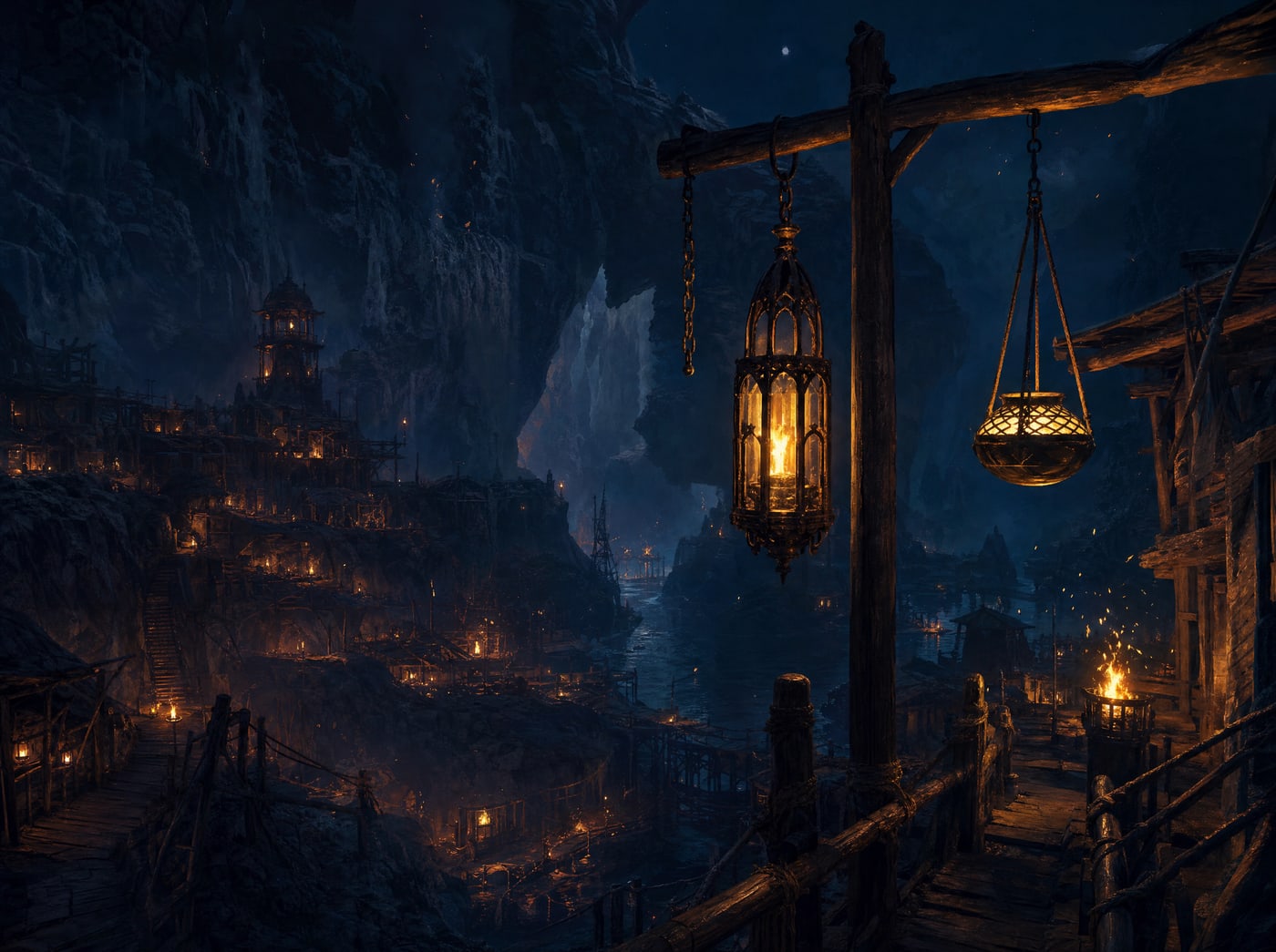
Nobody hung these to match. One was beaten by a smith on the stone bank; the other was woven on the timber side by somebody who had never seen the first. They are not the same object and never will be. They are also both lit, both bolted to the same rail, and both throwing light on the same boards, which is the entire job.
The argument about which lantern is better is older than the bridge, it flares up every time the span reopens, and it has never once helped a single person get across.
Somebody cut that beam to sit in that stone. It did not arrive fitting. And because it is two materials that move at different rates, it gets checked — not admired once and then forgotten. Every crossing you set up is the same. Links lapse, a setting comes back off after something is rebuilt, and a permission that was fine in spring is why one person cannot get in tonight.
That person will quietly assume the problem is them. So when somebody is locked out, check the join from the far side before you start diagnosing the human. Nine times in ten it is a switch nobody knew had moved.
Some things do not cross, and pretending otherwise costs you a night. There are only really three shapes of this, and telling them apart takes about a minute.
A ranked room that decides a season; a contest with a prize at the end. Where everyone must answer to one set of rules, separation is the product, not a fault in it.
Older rooms were built when the two banks had no reason to speak. Nothing stops the join now except that making it would mean rebuilding something that already works.
Closed for repair, closed in one direction only, closed until something is mended. This one is worth waiting out; the other two are not, and somebody has usually said which it is.
“Everybody stands at their own end shouting about whose railing is better, and meanwhile their friend is out in the middle of the span in the dark, waiting.”
Lit from both ends, and still one span. Somebody lit their half first.