 How To: Gaming
THE HOW TO CO. — EDITION 10
How To: Gaming
THE HOW TO CO. — EDITION 10
How To: Gaming
THE HOW TO CO. — EDITION 10
How To: Gaming
THE HOW TO CO. — EDITION 10
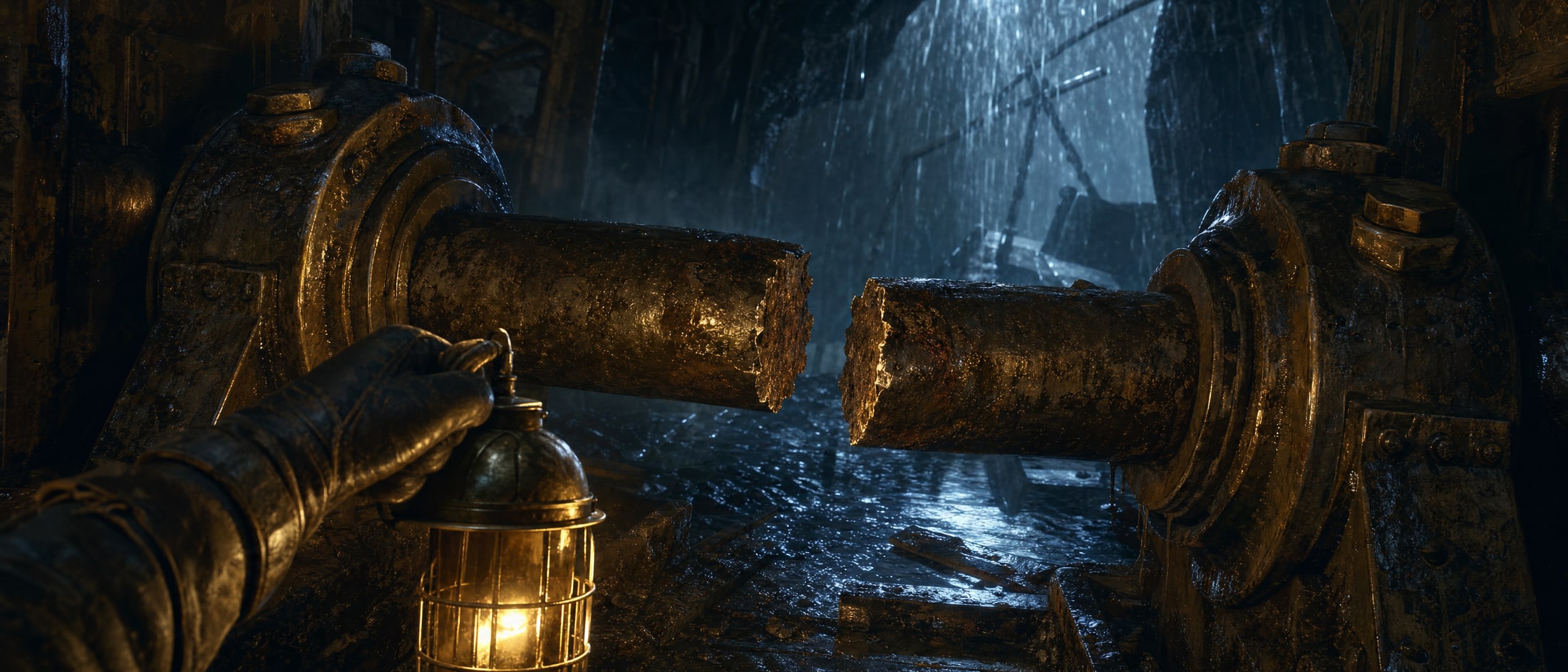
A crash is not a mood and it is not bad luck. Something in the chain gave way at a particular moment for a particular reason, and it left a face bright enough to read.
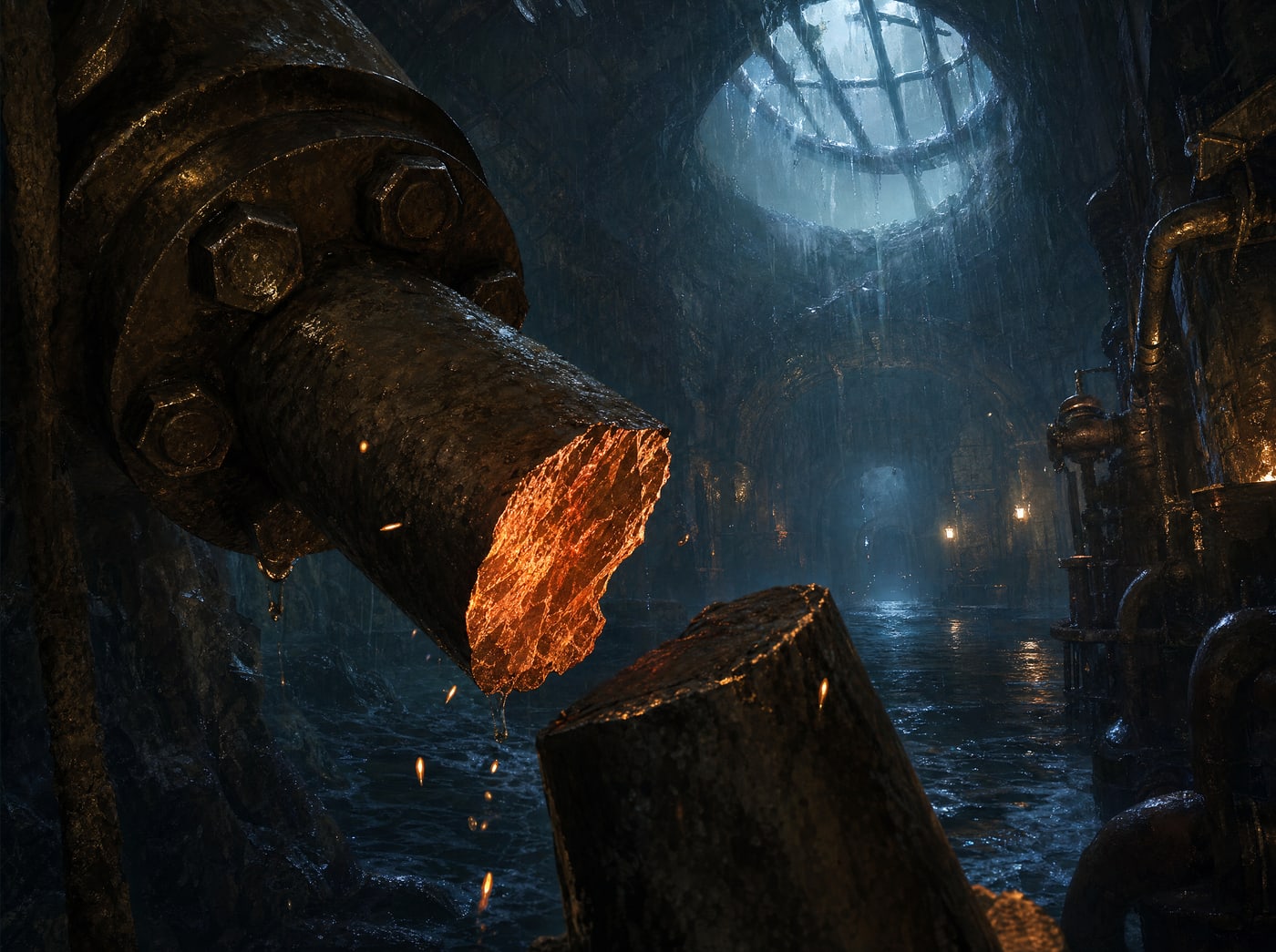
THE BREAK FACE — BRIGHT, ROUGH, AND ONLY BRIGHT ONCE
◆ THE FIRST THING TO LOOK AT
A fresh fracture is bright. Everything around it is not. That difference is most of the diagnosis.
Something moved underneath the game recently — an update, a new device, a setting you changed and forgot, a download that finished while you were out. The newest change is the cheapest suspect, and usually the guilty one.
Nothing changed, and it has worsened by degrees for weeks. You are not looking for an event now but for something that wears: heat, dust, a drive filling up. Nobody notices a slope. Everybody notices a step.
◆ BEFORE YOU CHANGE A SINGLE THING
Same room, same action, same minute in. Be glad about it. A fault you can summon on demand is a fault you can test against, and every change gets an answer inside a minute rather than a fortnight.
Work it tonight, while it is still reliable. Repeatable faults go quiet for a week the moment you decide to deal with them properly, and then you are holding the other kind.
Once an evening, twice a week, never while you are watching. You cannot test against this, and the trap is quiet: a session that survives proves nothing, because it might have survived anyway. Every fix will look like it worked.
So stop fixing and start recording: what you were doing, how long you had been going, what else was open. You are not solving it yet. You are collecting the part of it that repeats.
Your parent chapter reads across fifteen different symptoms. This reads down one, in order, the way it actually goes. Only the last column accumulates: every pass either removes a suspect or is wasted, and there is no third outcome.
I
Nothing. Ran it again, unchanged, three times, the same way.
It died all three times, at the same point.
That it is random. You have built a test that answers in minutes, which is worth more than any fix you could have reached for first.
II
Closed every overlay, capture tool and companion app. Nothing else.
It died at the same point anyway.
The whole layer around the game. Nothing injecting itself into it is doing this, so stop reinstalling those.
III
Dropped the heaviest graphics setting by one step. One setting, one step.
It survived the point where it always died, then died a few minutes later.
Nothing — and this is the row that teaches. A change that moves a failure without stopping it is a hint, not a result. Log it and put the setting back.
IV
Out of impatience: changed that setting again, plus two others, all at once.
A clean run. No crash.
Nothing at all. One good session against three changes means one helped, or none did and you had a quiet hour. The pass is void; walk it again.
V
Undid all three. Reapplied only the first of them.
Dead again, on schedule, in the usual room.
That one. It was never the fix — you had simply stopped believing your own test for twenty minutes.
VI
Undid it. Reapplied only the second.
Four evenings, no crash, including the room it always died in.
The other two, and the fault itself as far as anything ever is. Write it down in one line, somewhere you will find it in six months.
◆ A PASS THAT CHANGED TWO THINGS IS NOT A PASS. IT IS A STORY.
◆ WHEN THE LEDGER RUNS OUT
Six passes down and the hall is still stopped? Then hand the ledger to somebody else — a forum, a support desk, the person who sold you the thing. What you are handing over stopped being a complaint several passes ago. It is evidence.
LAMPLIGHT ACROSS THE FRACTURE — NOTHING HERE IS HIDING
◆ THE NOTE IT LEAVES
Most people close the message in the same second it appears, because it looks like a language they do not speak. Mostly it is not. Four things sit in almost any crash note, and three of them are plain.
A timestamp, or just the message’s place in a log. A note written moments before the freeze is describing the cause; one written after it is describing the wreck.
A component name, usually the longest and ugliest word on the line. You do not need to know what it does — only whether it is the same one every time.
The verb. Something was being loaded, written, allocated or drawn. That tells you which cupboard to open first: storage, memory, the graphics chip, the network.
The part that looks like nonsense. Copy it exactly and never tidy it up. It is the only thing you own that a stranger can recognise on sight.
Everything left over is address arithmetic. It was never written for you.
GUIDES BEING WRITTEN FOR THIS ROUTE
“The bench is the tell. If the broken piece is not still sitting next to the new one, you did not fix anything — you replaced everything and hoped. Keep the old part until you can say out loud what was wrong with it.”