 How To: Gaming
THE HOW TO CO. — EDITION 10
How To: Gaming
THE HOW TO CO. — EDITION 10
How To: Gaming
THE HOW TO CO. — EDITION 10
How To: Gaming
THE HOW TO CO. — EDITION 10
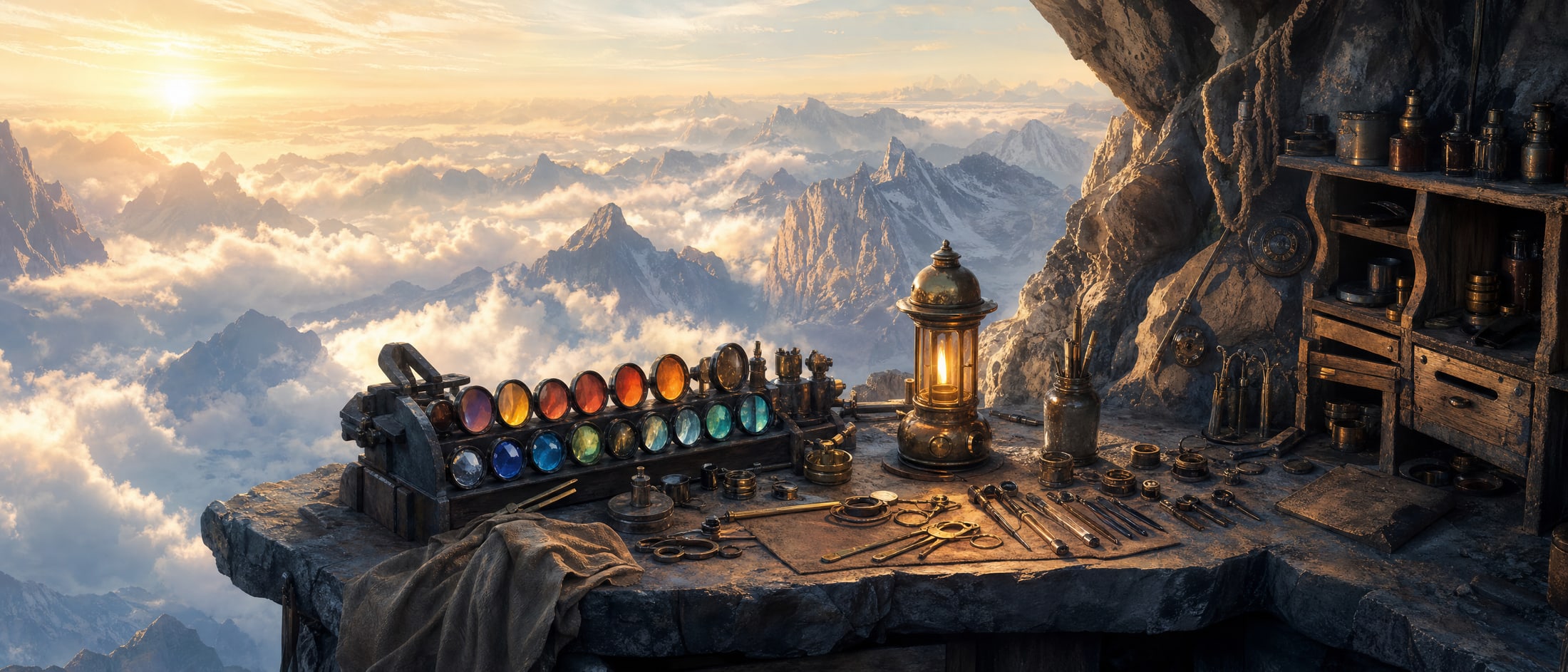
One lamp, a rack of lenses, a small brass key. Nothing on this bench makes you better at a game. It stops the game making you worse.
You did not lose because you are slow. The camera was moving at a speed a stranger chose, in a menu you were told to skip. A setting is not a skill.
Three adjustments, each with a before and an after. No figures anywhere on this bench — your hands are not my hands, and a number copied off a stranger is how you got here.
Sensitivity decides how far the world swings for one push of your hand. Field of view decides how much of the room is in front of you at once. They pull against each other: widen the view and the same push moves less of the picture, so a speed that felt right an hour ago feels like wading. Change one, then re-feel the other.
Turn to face something behind you in one motion, without lifting your hand. Have to pick up and go again? Too slow. Land past it every time? Too fast. It is right when you stop thinking about your hand at all.
“I fly past the thing, then saw back and forth until it lands.”
“Where I stopped is where I was looking. First go.”
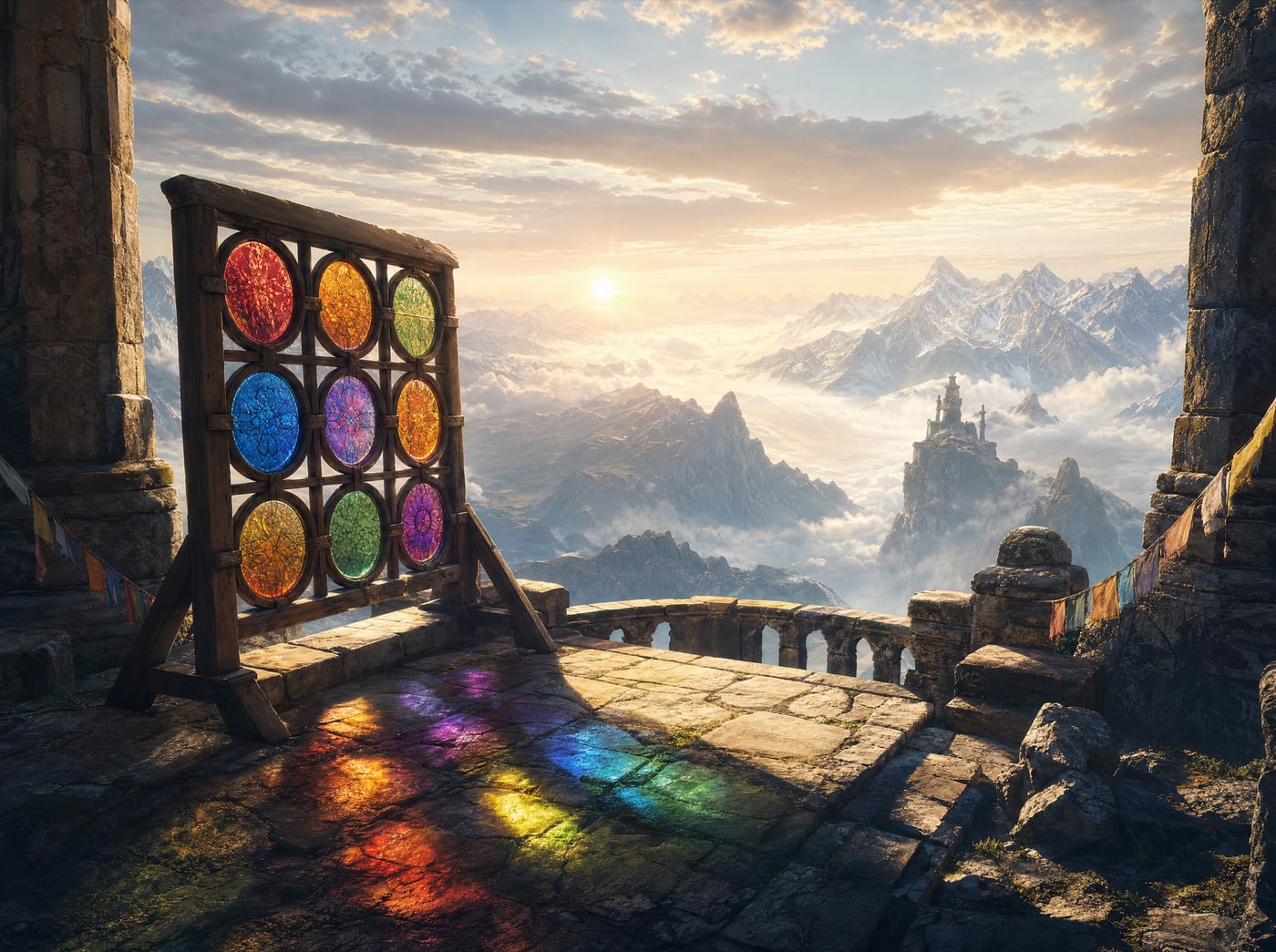
A screen asking you to make a shape barely visible is not a quality slider. It is setting the floor of the picture for your screen, in your room, and everything below that floor is gone no matter how hard you stare. Captions and colourblind palettes live in the same menu doing the same job: deciding how much of the game reaches you.
Set it at the hour you actually play, with your actual curtains — a floor set at midnight lies to you at noon. If you catch yourself squinting it is not right yet; squinting is your body reporting the floor. And turn the captions on while you are in there.
“Caves are just black. I walk into walls and assume that is the mood.”
“I can see into the dark and daylight still looks like daylight.”

Difficulty is not a measurement of you. It is a choice about which part of the game gets your attention. And it is rarely one switch any more: aim assist, auto-sprint, damage sliders and puzzle skips usually move separately, so you can take one lamp down without touching the other two.
If you have stopped noticing the scenery the lamp is too bright — every scrap of you is going on staying alive. If you feel nothing when you win it is too dim. Nobody can set this from outside the room, which is why the game asked you and not them.
“I took the middle one so nobody could say I took the easy one.”
“I took the one where I am still playing this tomorrow.”
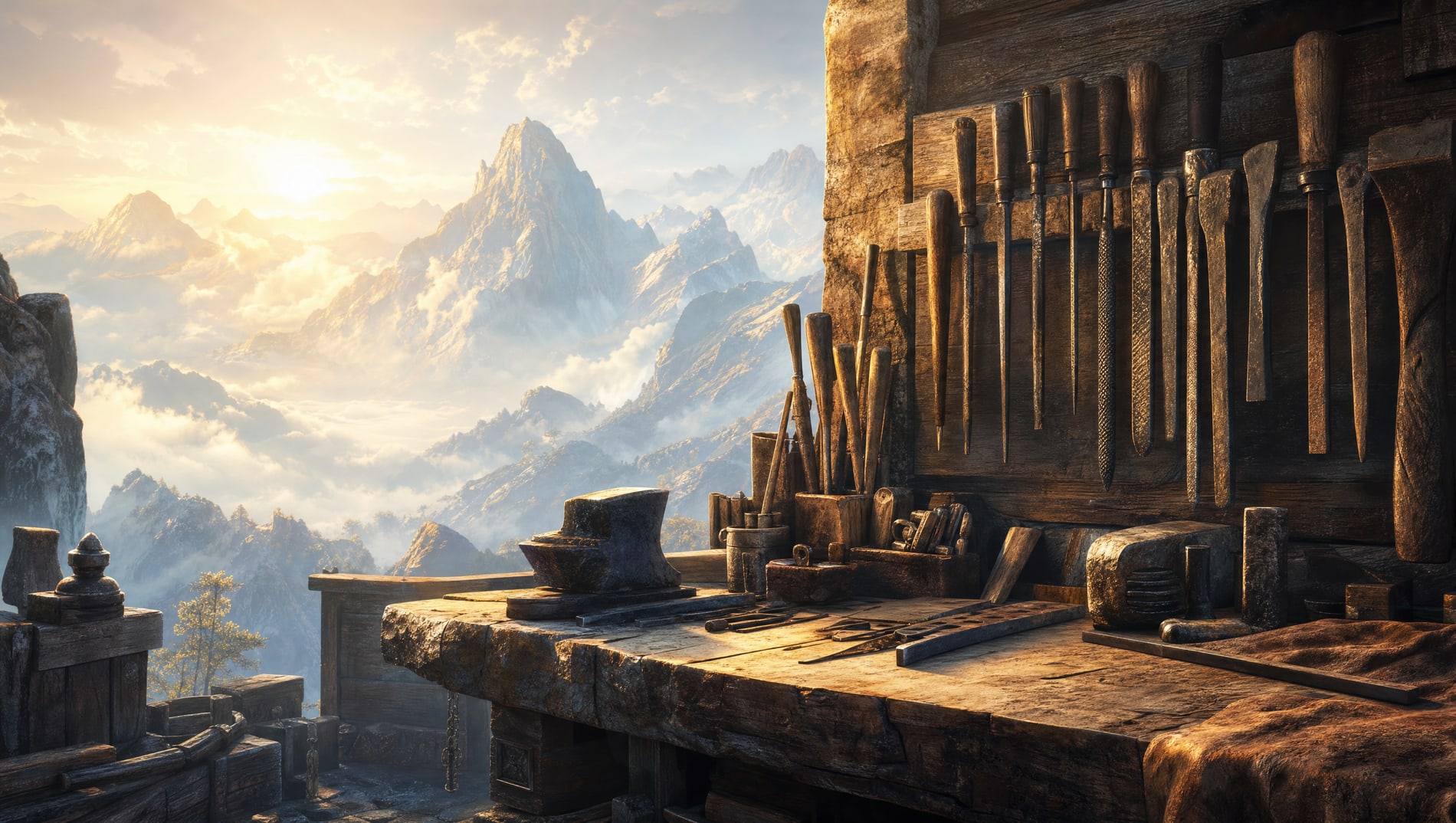
Every tool on that wall hangs where the hand that reaches for it would reach. Do that once to a menu and you stop thinking about it.
Two switches beat the whole control layout: hold-versus-toggle, which decides whether crouching is one press or one finger working for ten minutes, and invert, which is not a habit to grow out of. Notice which finger is still tense when nothing is happening — that is the button to move.
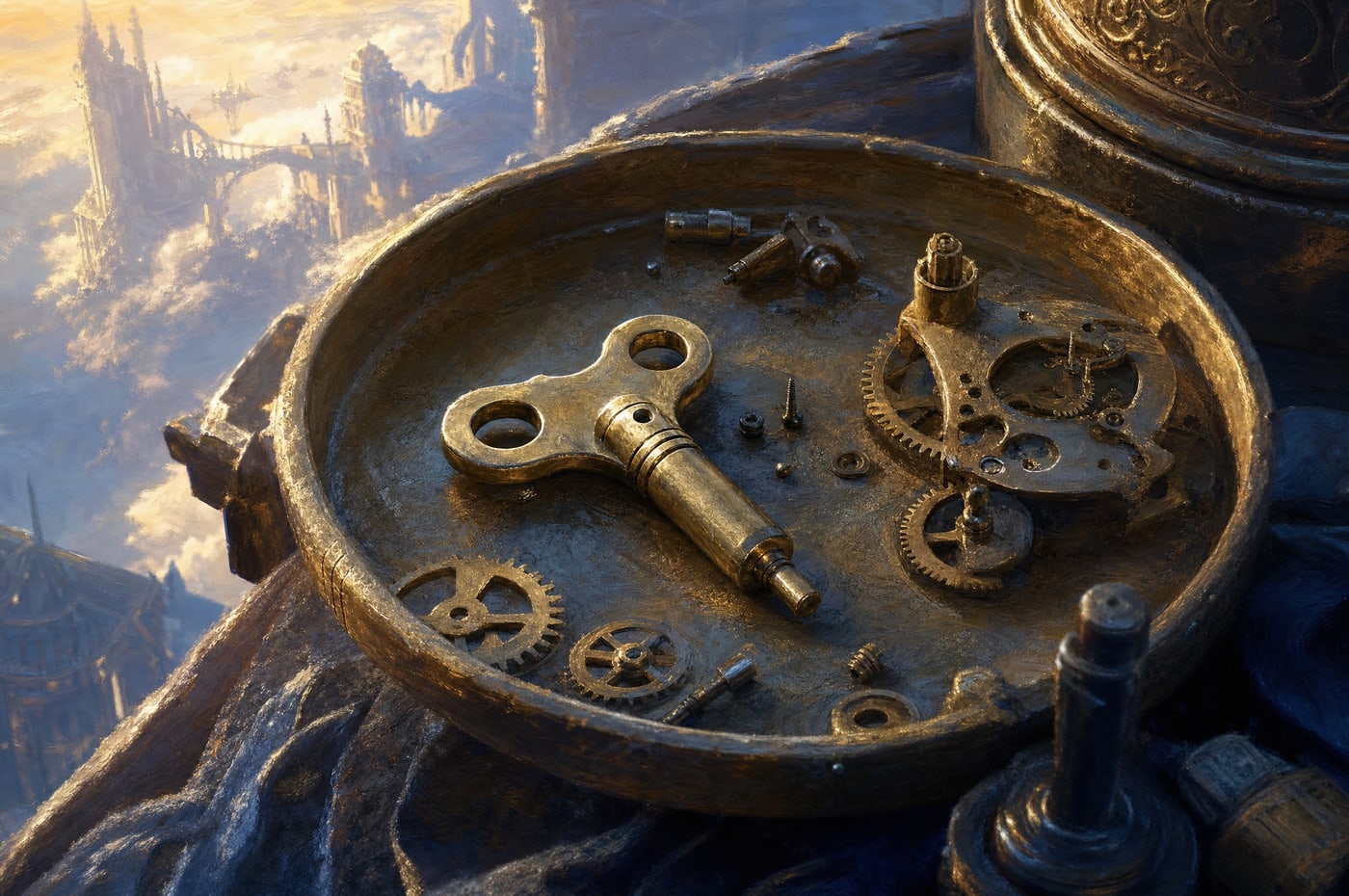
“I spent two years certain I had bad aim. I had a sensitivity that a stranger picked, on a video, for their own wrist.”
Poppy changes exactly one thing per sitting and then plays for twenty minutes before touching anything else — because four sliders moved at once tells you nothing about which one was the problem.