Buying your first cards is where beginners lose the most money for the least reason. Packs are thrilling and singles are sensible, and knowing which to reach for — and how to spot the traps — is the difference between a great first twenty dollars and a wasted one. You don't need luck. You need to know what you're actually buying.
▸ THE QUICK VERSION
Want a specific card? Buy it as a single. It's cheaper and guaranteed.
Want the fun of opening? Buy sealed — but treat it as entertainment, not investment.
Never buy loose "vintage" packs from strangers, or anything that looks re-taped. If a deal feels too good, it is.
The two ways to buy
SEALED VS SINGLES
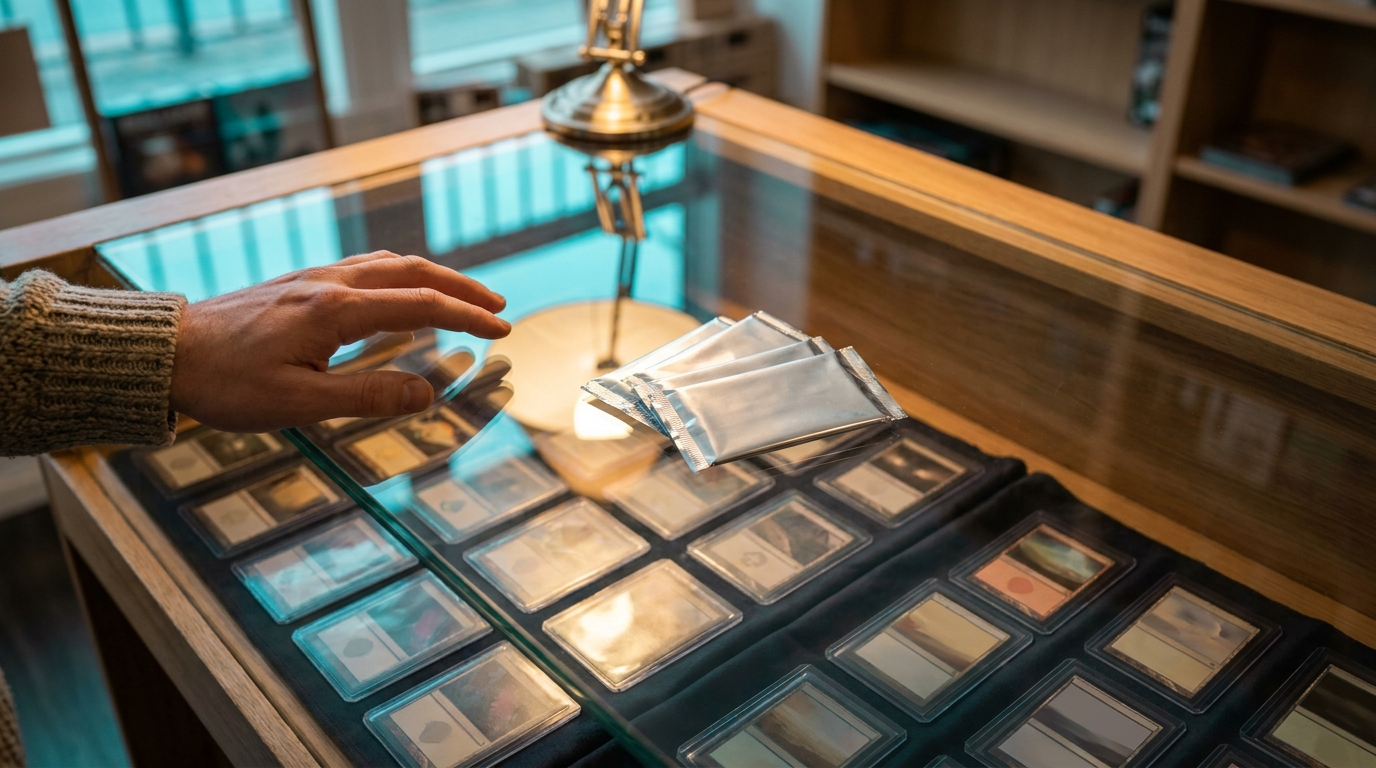
Everything you can buy is one of two things: sealed product (packs and boxes you open) or singles (specific cards, already opened, sold one at a time). They serve completely different goals.
▸ SEALED
The experience
You're paying for the thrill of the pull. Sometimes you win big; usually you get a few dollars of cards for a five-dollar pack.
Great for fun, opening with friends, and the surprise. A poor way to get a particular card.
▸ SINGLES
The smart buy
You pay for exactly the card you want — no luck involved, and almost always cheaper than chasing it in packs.
The right way to finish a deck or grab a specific card you love.
The mistake nearly everyone makes at least once: trying to pull a card they want by opening packs, and spending $80 on packs to chase a card that sells as a single for $12. If you know the card you want, buy the single. Full stop.
Open packs for the fun of opening. Buy singles for the cards you actually want.
What all that sealed product actually is
A QUICK GLOSSARY
The shelf can be intimidating. Here's what the common items are, cheapest to priciest:
If you want to build a deck and play, a Build & Battle box is the single best first purchase: it's a legal, playable pool out of the box.
Buying singles the right way
WHERE AND HOW
Singles come from three main places, and a couple of terms tell you what you're getting:
- Your local game store (LGS) — you can see the card, ask questions, and start a relationship with people who'll teach you. Often the best first stop.
- Big online marketplaces — the widest selection and clearest prices. Check seller ratings and read the condition.
- Condition matters: NM (Near Mint) is the standard; LP (Lightly Played) is a fine way to save money on a card you just want to play with. Avoid "DMG/Damaged" unless it's a card you only need to function.
Avoiding the traps
HOW BEGINNERS GET BURNED
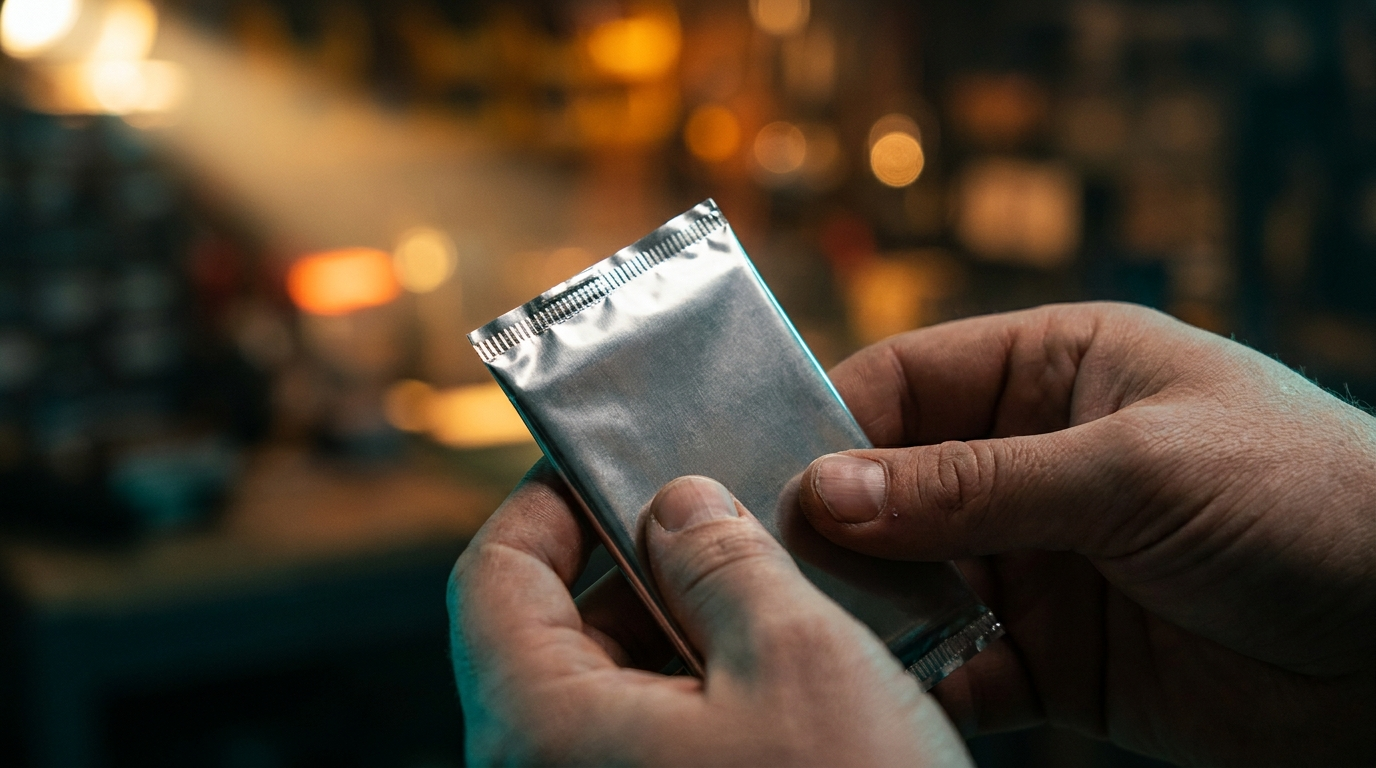
- Resealed or "weighed" packs. Scammers open packs, remove the hits, reseal them, and sell them as fresh — or "weigh" packs to feel which hold heavy cards. Buy sealed product from reputable retailers, not loose packs from strangers.
- Fake "vintage." Old-looking packs and boxes from marketplaces are a minefield of reprints and fakes. As a beginner, steer clear entirely.
- Hype pricing. When a set is brand-new and sold out, prices spike, then fall. Waiting a few weeks usually saves real money.
- Counterfeit singles. For expensive cards, buy from trusted sellers, and learn the basics of spotting a fake before you spend big.
Spending your first $20 well
A SANE STARTER BUDGET
If you want one clear plan: put most of it toward playing, and keep a little for the fun. A Build & Battle box or a preconstructed deck gives you a real deck to learn on. Spend the last few dollars on a pack or two purely for the joy of opening — with zero expectation of profit. That split gets you a hobby you can actually do, instead of a pile of duplicates you can't use.
Do that, and you've turned "buying Pokémon cards" from a gamble into a plan — which is the whole point of starting here.